SEARCHsearch icon
CLOSE X

Celebrate our NHS heroes by joining Millie Marotta’s Love NHS initiative and get creative with colour.

Every day they care for us and save our lives. To show our appreciation for the amazing people who make up the NHS, bestselling colouring book illustrator Millie Marotta calls on the nation to colour for our carers.

Colouring is a great way to get creative indoors. It’s also a relaxing activity that can help keep anxious thoughts at bay. In this time of crisis, many of us are feeling worried. Millie Marotta’s Love NHS initiative offers a way to de-stress through the mindful activity of colouring in while celebrating the heroes working in the National Health Service.

You can download and print the colouring sheet below and get creative with pencils, pens or paint. If you don’t have access to a printer, use your smartphone to colour in.

Post your coloured illustration on social media, tagged with #LoveNHS and #ColourForOurCarers. You could even display the coloured-in poster in your window to show your support for the NHS.

Let’s fill our windows and digital world with colour to celebrate our carers!

Millie-Marotta

Behind the project is illustrator Millie Marotta. In 2015 her debut title Millie Marotta’s Animal Kingdom spent a record 22 weeks as the official paperback non-fiction No.1. Working from her studio by the sea in West Wales, Millie’s intricate illustrations are inspired by a love of wildlife and fascination with the natural world.

We really hope you’ll join us in celebrating the NHS with colouring!

It’s Halloween – the favourite time of year for the supernatural. Faeries, Elves & Goblins by Rosalind Kerven is a haunting collection of 25 classic tales, where faeries, elves, goblins, leprechauns, brownies, spriggans and many other supernatural beings leap off the page. One of them is Faery Wishes, a classic tale from Northamptonshire.

Everyone knew it was dangerous to go into the deepest, thickest part of the forest – especially at night, especially when the moon was full. You see, there was a Faery dancing ring there.

Well, you know how it is when you’re forbidden to do something: it just makes you want to do it even more. Most of the locals managed to resist the temptation year after year. But there was a woodchopper who often used to glimpse the dancing ring through the surrounding trees, and he was desperate to find out if the gossip about it was true.

He knew his wife would get in a flap if he even suggested going near it. So one October night when the sky was dark and clear and a beautiful full moon was shining, he waited until she was fast asleep, then sneaked out. He hurried along an old deer track to the enchanted spot – a circle of very long, very dark green grass. He took a deep breath and stepped inside it.

At once he heard the sound of fiddles playing a rapid dance tune, and the stamping of countless feet. He couldn’t see anything, so he guessed that the action must be happening underground. He stepped out of the ring and the music faded; he stepped forward and heard it clearly again. Never mind that he hadn’t actually seen anything: simply hearing the Faeries was enough proof that their subterranean world really did exist.

With that, he went home to bed. The next morning he got up as usual, confessed about his little expedition to his wife, got the expected scolding, and went to work.

He was just about to cut down a very ancient oak tree when suddenly a voice screamed, ‘Stop! Don’t cut down this tree or I shall die! If you let it stand, I shall give you and your wife three whole wishes!’

The astonished man realised that his experience of the night before must have given him supernatural hearing. At once he walked away from the oak tree and spent the rest of the day chopping fallen branches in another part of the forest.

By the time he got home, he was tired and really hungry; so he was irritated to find that his wife hadn’t even started cooking their supper.

‘I’m starving,’ he grumbled. ‘I wish I had some nice sausages to eat.’ The next moment, there was a noise in the chimney and something came tumbling down it. The man sprang back in alarm, expecting to see a trapped bird, but instead he found a string of best butcher’s sausages lying in the hearth! Just at that moment, his wife came in; and at the same time, the woodchopper remembered the invisible Faery he had heard earlier that day, and the wishes she had promised in return for saving her life. This must be the first one! Excitedly he told his wife what had happened, eager for her to share the good fortune; but all he got from her was another scolding.

‘You daft old piece of mutton!’ she cried. ‘You’ve wasted the first wish on something totally worthless. I can get sausages for you any day in the market. You should have wished for a load of money or a fine house to live in. Honestly, I don’t know why I married such an idiot! I wish I could stick those stupid sausages on your nose, to teach you a lesson!’

The next minute, her own thoughtless wish was granted too – for the sausages jumped off the hearth, flew through the air and stuck themselves onto the woodchopper’s nose in a long chain like an elephant’s trunk.

In a panic, the wife pulled and tugged and cut at them. She managed to get most of the sausages off; but the last one remained stubbornly stuck where it was, and nothing either of them tried would free it.

‘Stop pulling!’ cried the woodchopper. ‘You’re hurting me. I can’t bear it!’

‘Oh, I’m sorry,’ his wife wept. ‘I never meant what I said, honestly. Isn’t there anything we can do to break this magic?’

‘I don’t know,’ said the woodchopper. ‘The only thing I can think of is to make another wish; but as you just said, we ought to save that last wish for something worthwhile, like a fortune in gold.’

‘What’s a fortune worth if your whole life is ruined in the process?’ sniffed the woman. ‘Honestly, I don’t want more money and I don’t want a better house. I just wish that stupid sausage would come off your nose.’

And at once her last wish was granted.

Discover more old stories in Fearies, Elves & Goblins by Rosalind Kerven, out now.


Image credits:

Arthur Rackham, Mary Evans Picture Library
Ferdinand Hodler, Bridgeman Art Library

‘Cry “God for Harry, England, and Saint George!”’ So implores Henry V at Harfleur, the line that ends Shakespeare’s famous ‘Once more unto the breach, dear friends’ speech. This St George fellow has long served as a talisman for the English, from the battlefield to the football terraces. Yet the national saint was not of the nation.

The historical George – if he existed at all, for the sources verge on the mythical – never so much as heard of England. He couldn’t have done. He was martyred around 303CE, when the country that would one day venerate him was still known as Britannia. It would be more than a century before the Angles, after whom England is named, bothered these shores.

Nor did he visit. According to the legends, George was a Roman soldier of Greek or Turkish (to use the modern term) descent, who was tortured and executed after refusing to give up the Christian faith. Very few particulars of his life are known, but no hint suggests that he ever travelled west of Greece. The dragon-slaying story, it hardly needs stating, is entirely made up. The earliest sources about his life (4th or 5th century) don’t feel the need to describe George’s run-in with a fire-breathing monster, and this is only recorded from the 11th century. By one tradition, the encounter took place on a hill at Uffington, a little east of Swindon.

How, then, did this east European of sketchy biography become the patron saint of England?

The answer is, gradually. For much of the later medieval period, Edward the Confessor was regarded as the country’s most important saint. George’s star began to rise when crusading knights brought home tales of his exploits from the Byzantine Empire. A century later, Edward III chose the dragon-slayer as the patron saint of the Order of the Garter, the most prestigious mark of chivalry a knight could attain. George’s story was spread far and wide by the coming of the printing press, and he soon gained veneration as the national protector.

The English are not the only ones to march behind his shield. As its name hints, the nation of Georgia also counts our man as its patron saint. The national flag is a St George Cross with four miniature red crosses in the quadrants. You’ll also see the familiar red and white on the flag of Barcelona. George is also venerated throughout other parts of the Iberian Peninsula. In fact, he pops up everywhere – from the flag of Moscow to the Brazilian football team Corinthians, who formerly played at the Estádio Parque São Jorge, and sometimes wear an emblem of St George on their kits.

St George’s Day in England, 23 April, is a muted affair compared with the revelry that surrounds the Irish celebration of St Patrick, but that perhaps is changing. The date has resonance throughout English history. The reign of England’s greatest king, Alfred, began on 23 April 871. It is the traditional birthday of William Shakespeare and the date of his death. Namesake George V also pulled a biggy on 23 April. On this date in 1924, the monarch made the first royal broadcast, while opening the British Empire Exhibition at Wembley. And, no, he didn’t say ‘Bugger Bognor’.

Extracted from Everything You Know About England is Wrong by Matt Brown, out now. Illustration by Sara Mulvanny.

Enjoy the simple and mindful craft of whittling while creating your own elf to decorate the mantelpiece at Christmas. This basic elf from The Danish Art of Whittling by Frank Egholm is a perfect project for beginners. Elves like company, so why not make several – after all, practice makes perfect.

  ⠀⠀⠀⠀⠀⠀⠀⠀⠀⠀⠀⠀

Materials

• Piece of fresh branch, 5–8cm (2–3 1/8 in) long plus an extra 5cm (2in) to hold while whittling, 1–3cm (3/8 –1 1/8 in) thick (choose one with an attractive but not too thick bark).
• Saw.
• Pencil.
• Beeswax crayon, coloured pencil or watercolour paint and paintbrush.

Method

1. Cut the tip of the branch to a point like a pencil but leave the bark on the rest of the length (it’s a good idea to have another piece of fresh branch ready for a second attempt in case you remove too much bark). Carve the beard and face by removing a little more of the bark (see the illustrations left).

2. Saw off the holding end of the branch so that your elf is the required height. Mark the eyes and mouth with a pencil: two dots and a small curving line.

3. The hat can be coloured with thinned watercolour paint, beeswax crayon or coloured pencil.

This project is taken from The Danish Art of Whittling by Frank Egholm (Batsford), out now.

Photograph by Frank Egholm.

Can you tell your guillemots from your banded pittas? Since the release of Animal Kingdom, Millie Marotta has introduced us to glorious wildlife from all around the world through her illustrations. If you own a copy of Curious Creatures or Beautiful Birds and Treetop Treasures, you will find a list of the animals featured at the back of the book. For Millie’s other books, you’ll find lists of the animals and plants featured through the links below. Happy colouring!


Millie Marotta’s Animal Kingdom

Millie Marotta’s Tropical Wonderland

Millie Marotta’s Wild Savannah

Millie Marotta’s Wildlife Wonders

In Millie Marotta’s Beautiful Birds and Treetop Treasures, the world’s woodlands, rainforests and thickets set the backdrop for Millie’s charming wildlife illustrations.

Add your own colours to some of the common British birds that we recognise from our gardens such as the blue tit, bullfinch, wren and blackbird. You’ll also meet birds from further ashore, such as the lyebird of the Australian tropics and the scarlet ibis and beautiful hummingbirds of South America.

There are also four-legged tree dwellers to be found under the canopies, including the cuddly koala, the red panda and the British native but endangered red squirrel.

Get colouring straight away with this free Tawny Owl colouring sheet download.

Embroidery in fashion is booming. From haute couture and ready-to-wear catwalks to the high street, embroidery is having a great resurgence. In Fashion Embroidery, Jessica Pile, Production Director at renowned embroidery company Hand & Lock, explores the various techniques used in fashion embroidery, showing how you can use it to personalise your own garments. Here, Jessica shows how to master the leaf stitch.

LEAF STITCH

Leaf stitch is one of my favourite basic stitches. It works really well in floral patterns, hence the name leaf stitch. I often combine it with silk shading, with the silk-shaded flowers and the leaf stitch creating two different textures. The leaf stitch is known as a filling stitch, similar to satin stitch.

  1. First you will need to mark out on the fabric the shape of your leaf. I also find it helpful to draw two lines down the leaf to represent each side of the central vein. These lines will also act as a guide as to where to place your stitches.
  2. Bring the needle up at the base of the leaf on one side of the central vein. Take the needle across to the opposite side of the leaf and take the needle down on the outer edge.
  3. Bring the needle back up on the closest central line, take your needle across to the opposite side of the leaf and take it down on the outside line. 
  4. Your third stitch needs to be made on the closest central line, near the first stitch, but positioned so that it will cross over the second stitch. Your third stitch should be parallel to your first stitch.
  5. Repeat this all the way up the leaf shape, keeping the spacing between each stitch the same size. As a final touch, you can outline the leaf with stem stitch.

Extracted from Fashion Embroidery by Jessica Pile, out now.

Top photograph: Ralph & Russo. Step-by-step photographs: Jutta Klee.

The Batsford Prize judges are delighted to announce the shortlisted entries for this year’s award.

The theme for 2018 was ‘Craving Colour’ and the works were judged by industry professionals Vaughan Grylls, Anne Kelly, Sara Mulvanny, Clara Vulliamy, Gemma Williams, Neil Dunnicliffe and Tina Persaud. The winners and runners up for each category, as well as the winner of the Cass Art Award, and the winner in the international illustration category will be announced in May.


Fine Art

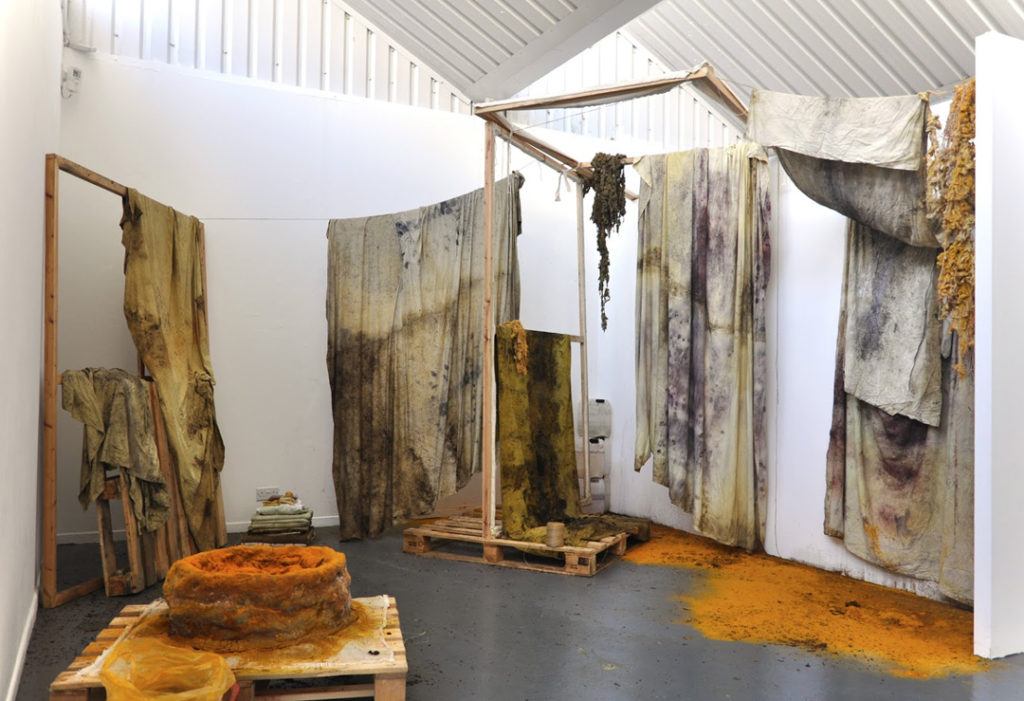
Hydro-Logics
Monica Bonomo, MA Fine Art, Arts University Bournemouth
 

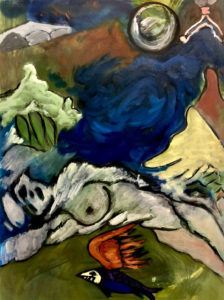
Lying with the Sawfish
Jazmin Donaldson, Master of Fine Art in Painting, Slade School of Fine Art, University College of London
 

Onion Town
Ronnie Houselander Cook, Master of Fine Art, Cardiff School of Art and Design, Cardiff Metropolitan University

 

Speaking Colours
Elena Mananskaya a.k.a. Le Mana, BA Fine Art, Painting, Wimbledon College of Arts, University of The Arts, London
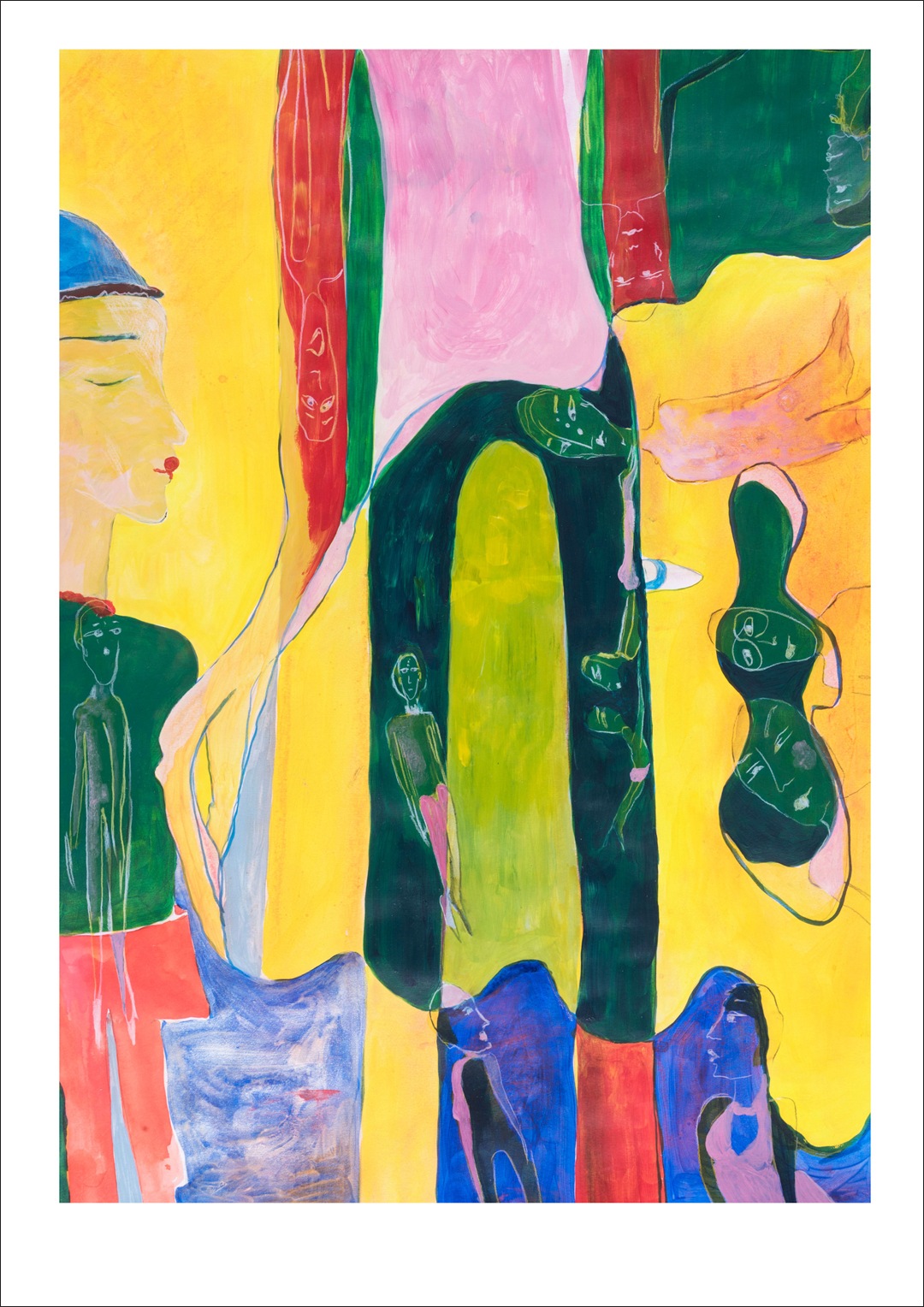
 

Nuverland
Elliot Nehra, Fine Art: Painting, University of Brighton
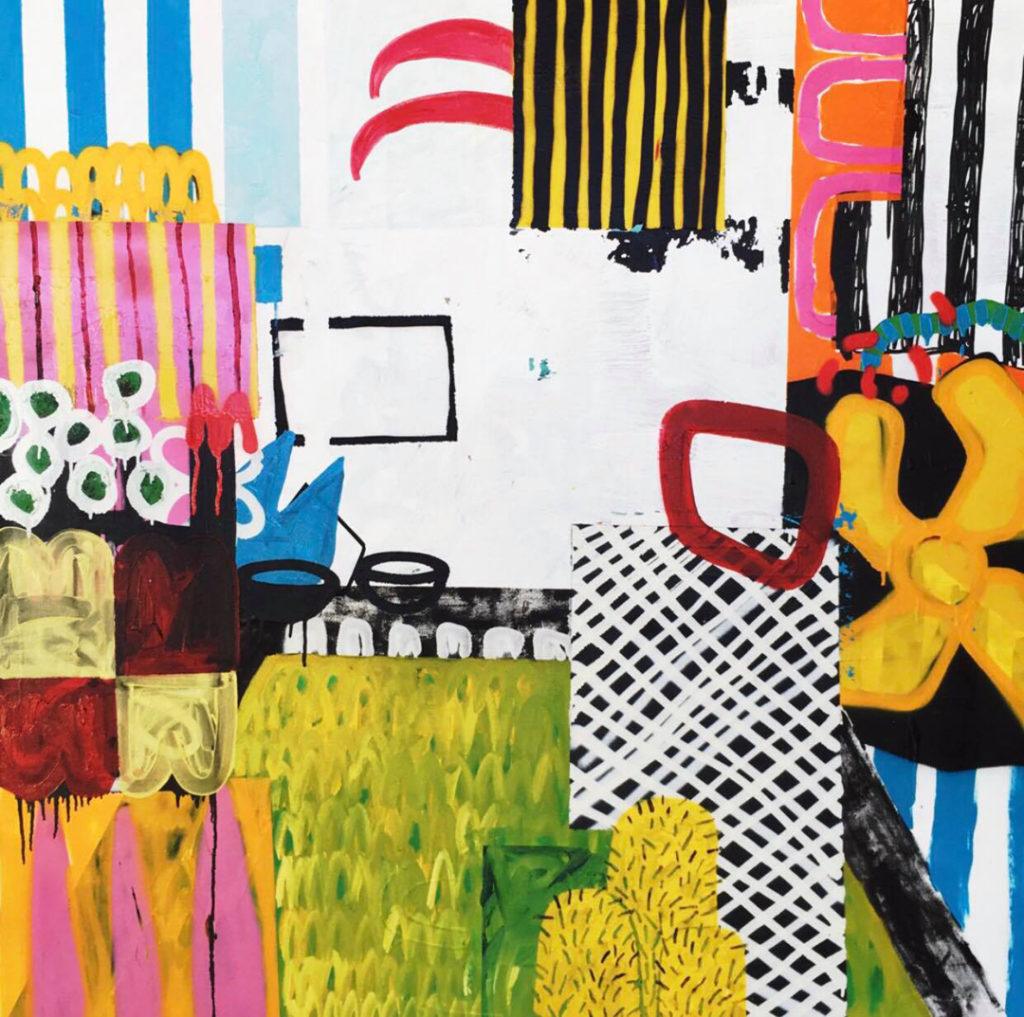
 

Untitled No.2
Megan Priestley, Masters in Fine Art, Arts University Bournemouth

 

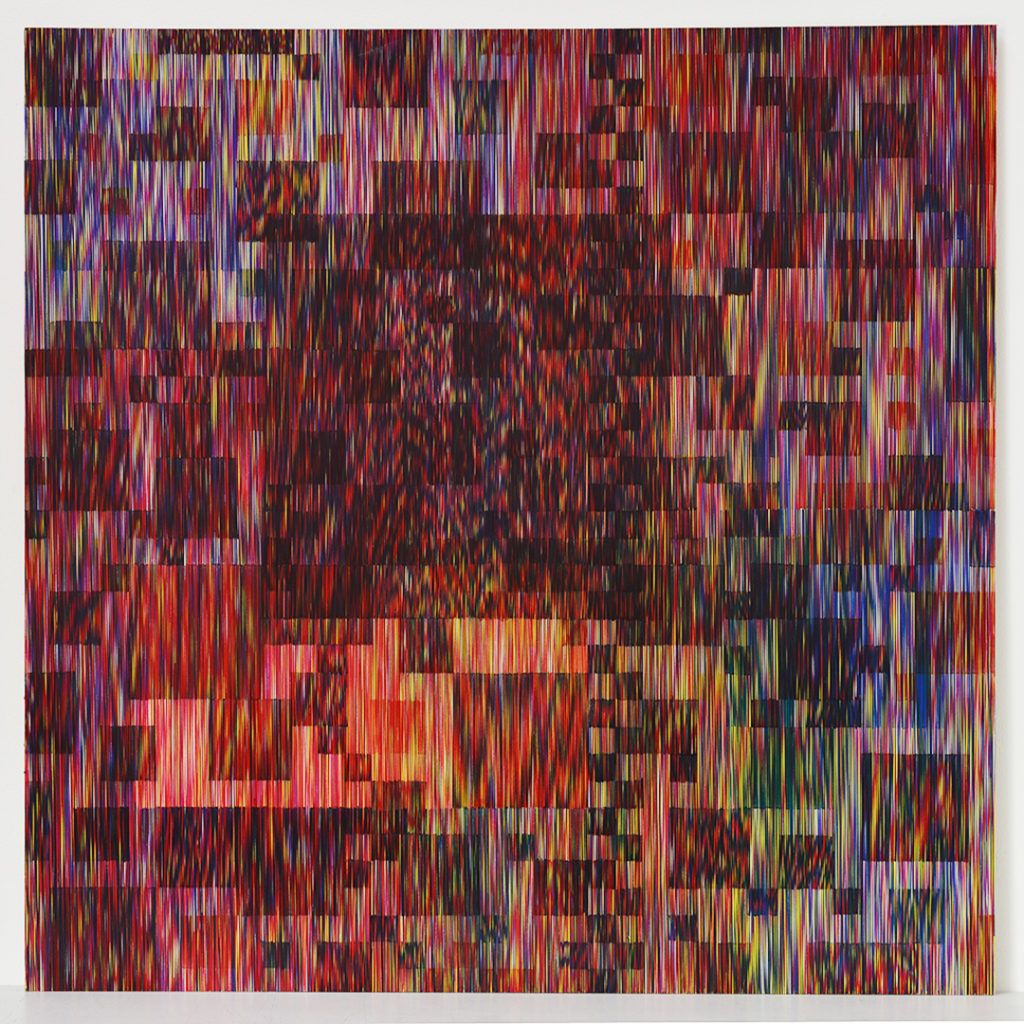
Fractured
Maia Weerdmeester, BA (Hons) Fine Art and Crafts, Doncaster College
 

Applied Art

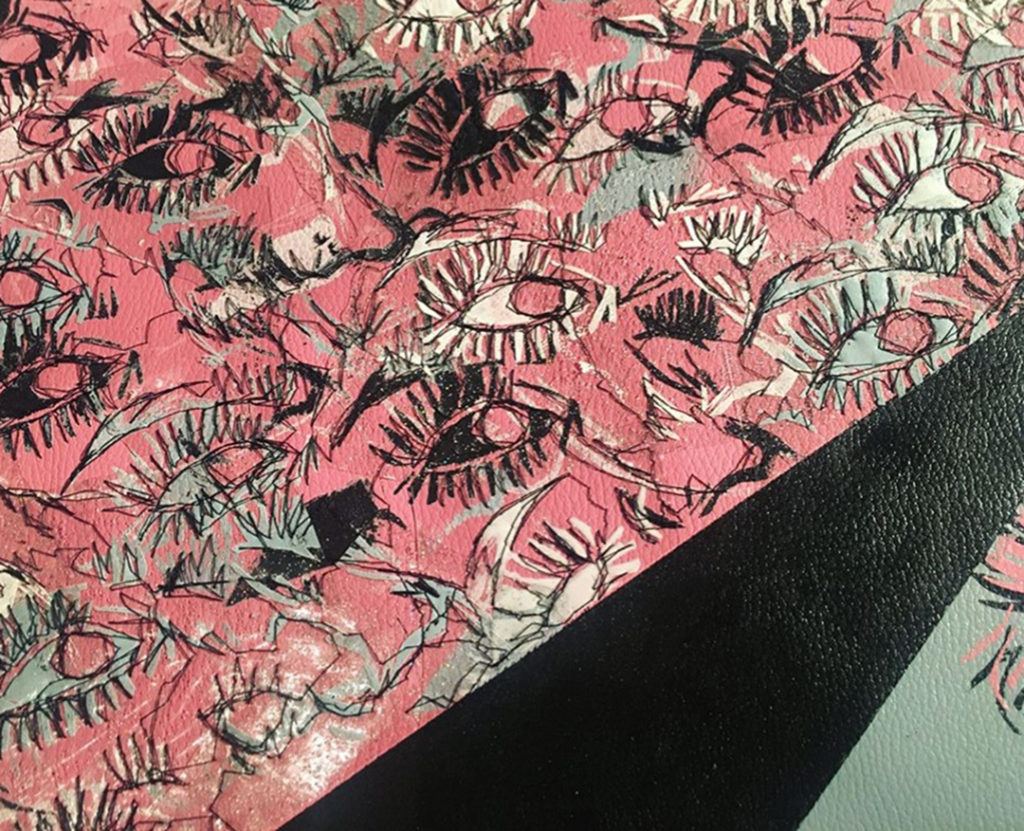
Eyes of the 60s
Chloe Benham, Textiles Design, Arts University Bournemouth
 

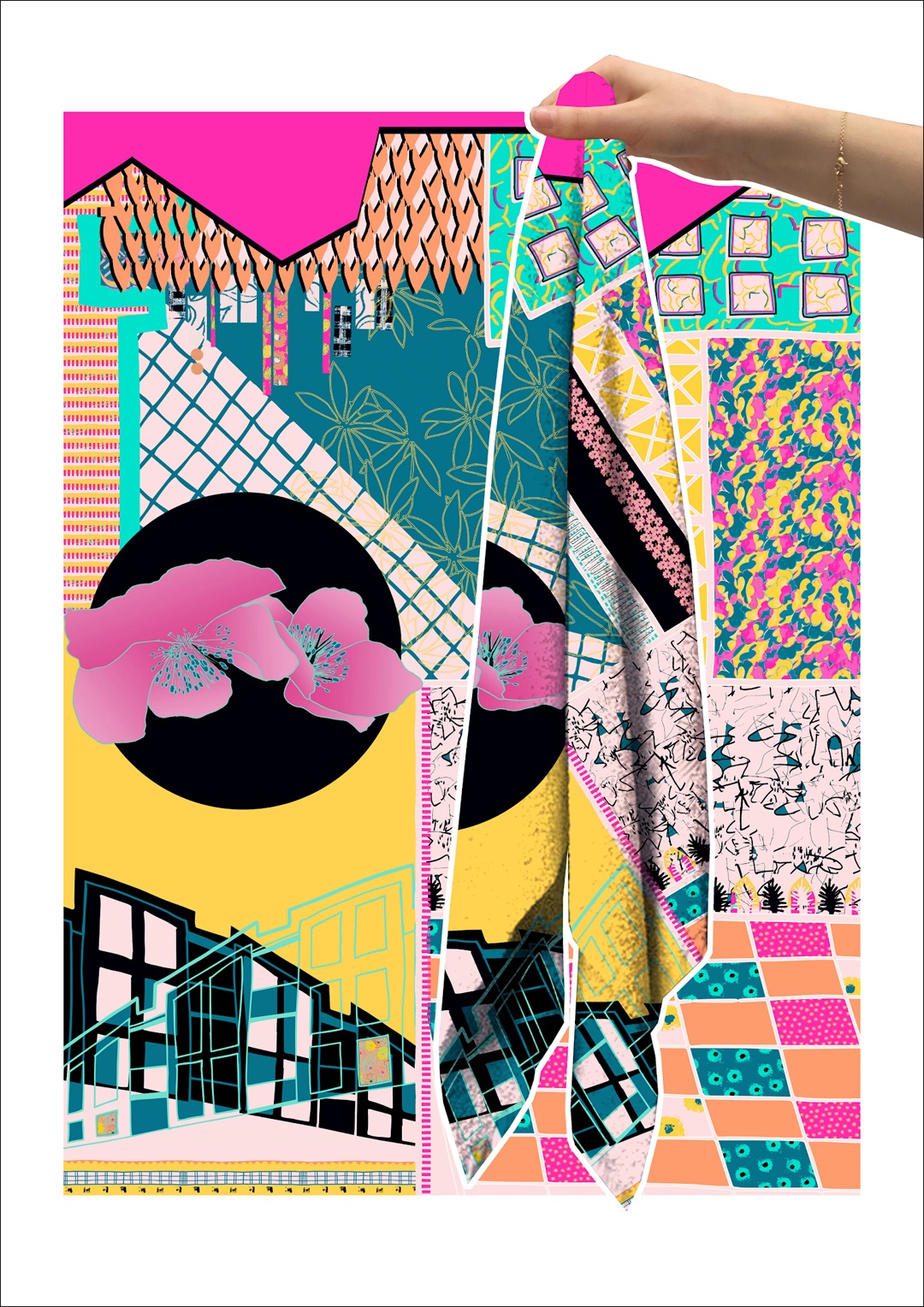
Maximalism Meets Minimalism
Louisa Bishop, BA (Hons) Textiles, Arts University Bournemouth
 

Beauty by the Sea
Mollie Gorman, BA (Hons) Textiles, Arts University Bournemouth
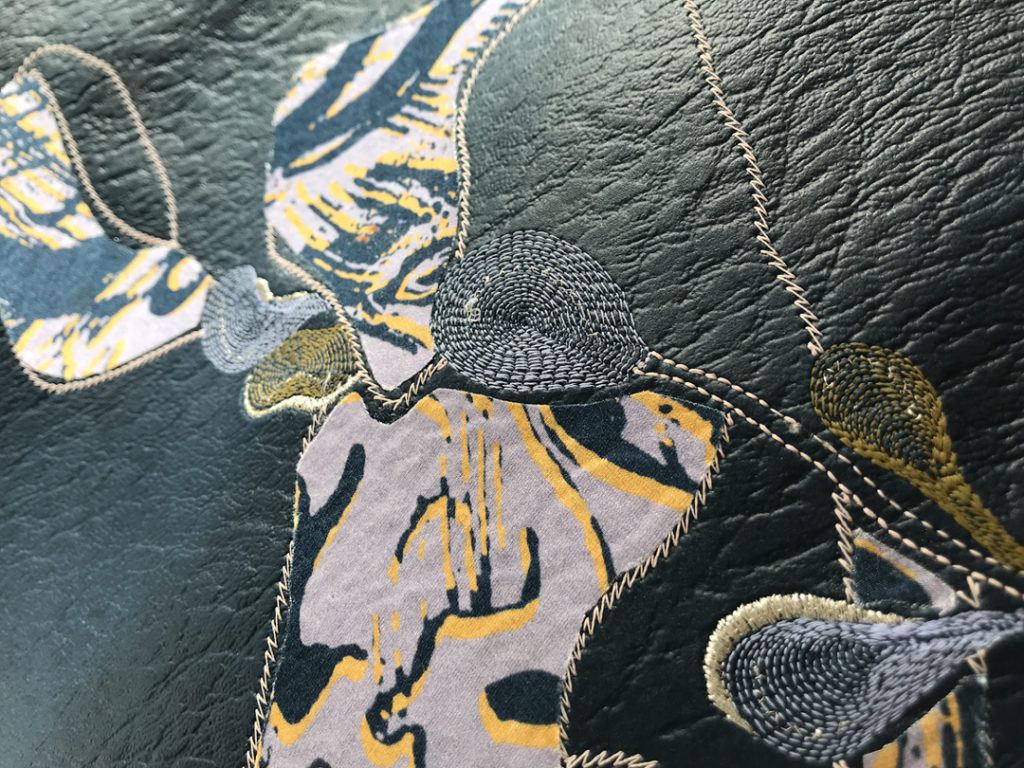
 

Craving Colour
Victoria Paulley, MA Textile Design, Norwich University of the Arts
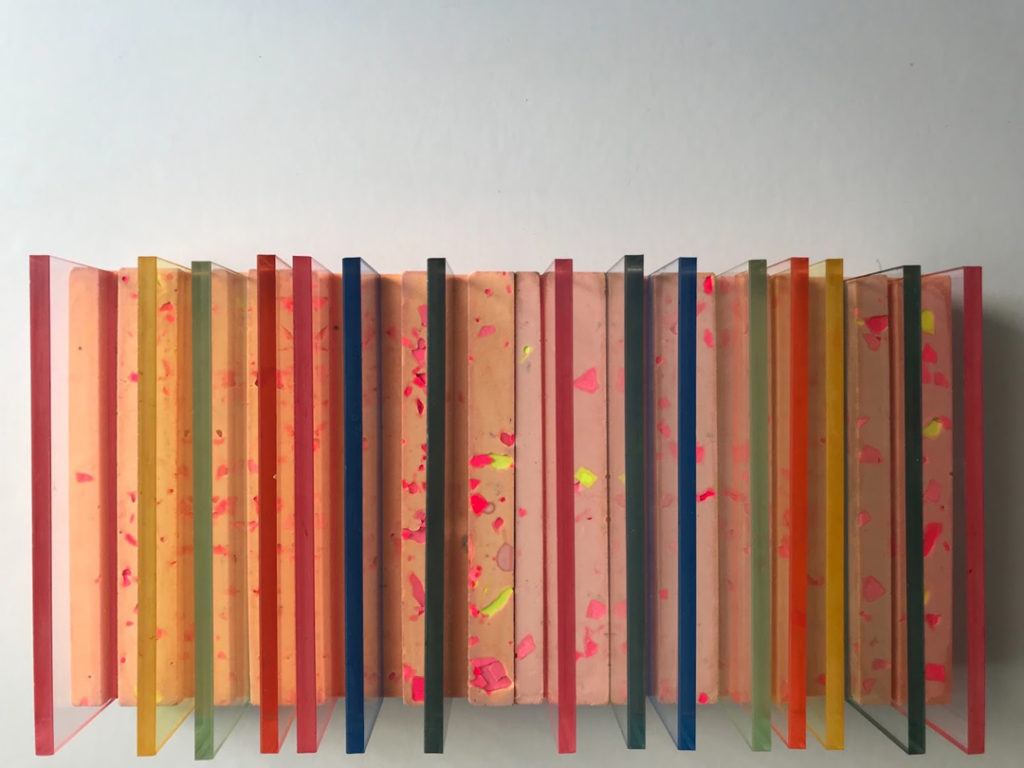
 

Existences Adrift
Florian Scheucher, MA Architecture, Royal College of Art, London
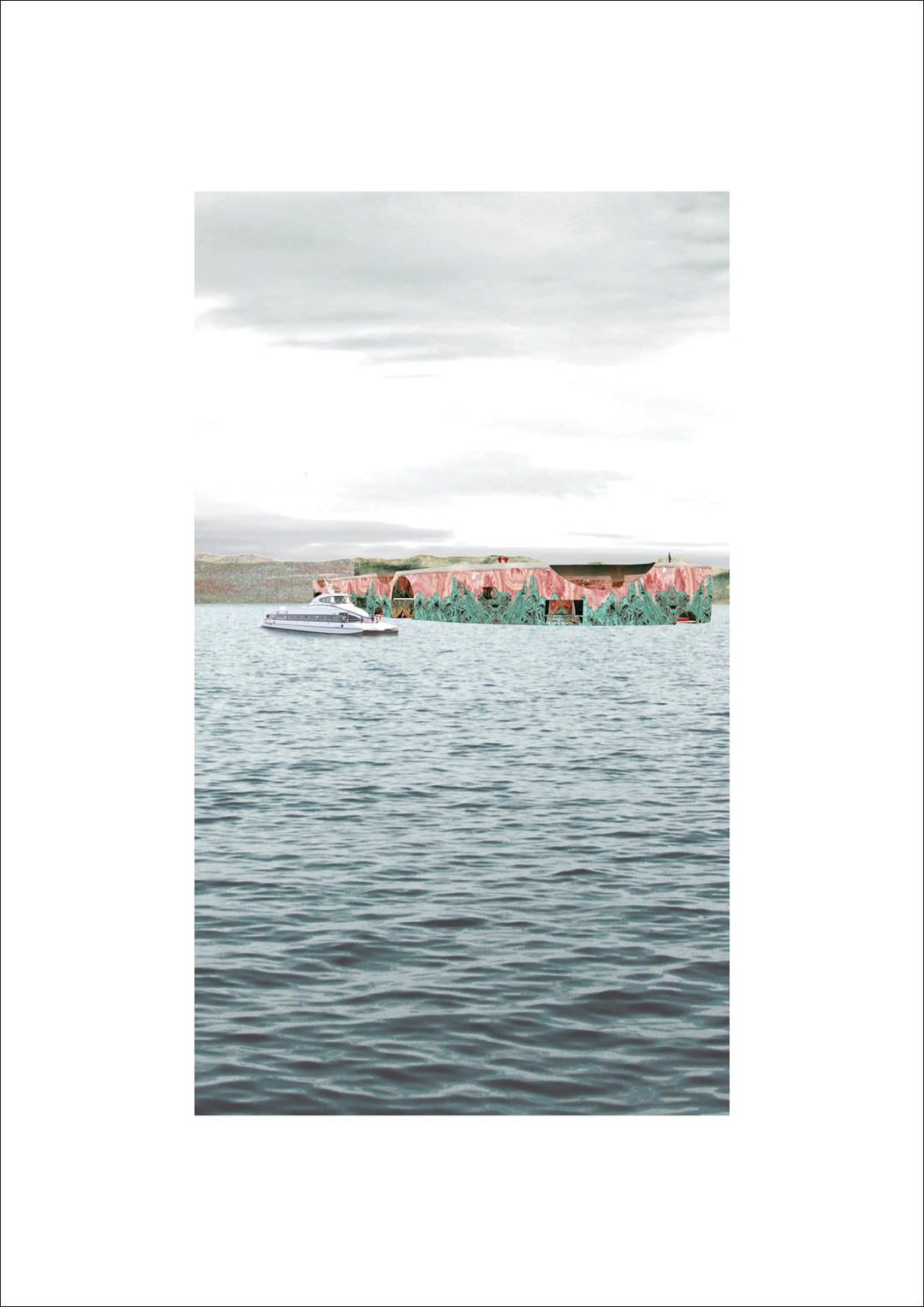
 

Nocturnal Jungle
Louise Towers, BA (Hons) Printed Textiles and Surface Pattern Design, Leeds Arts University
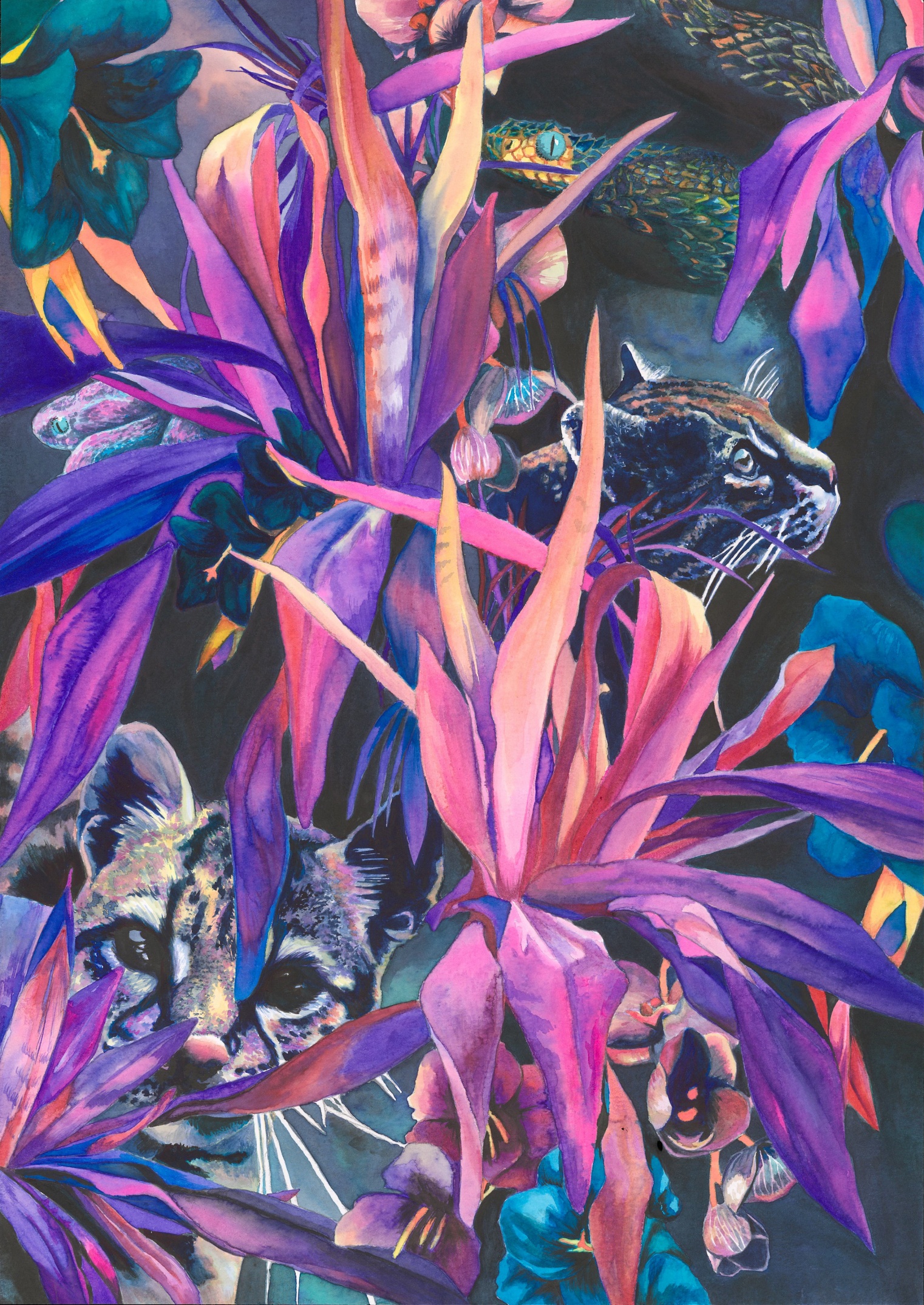
 

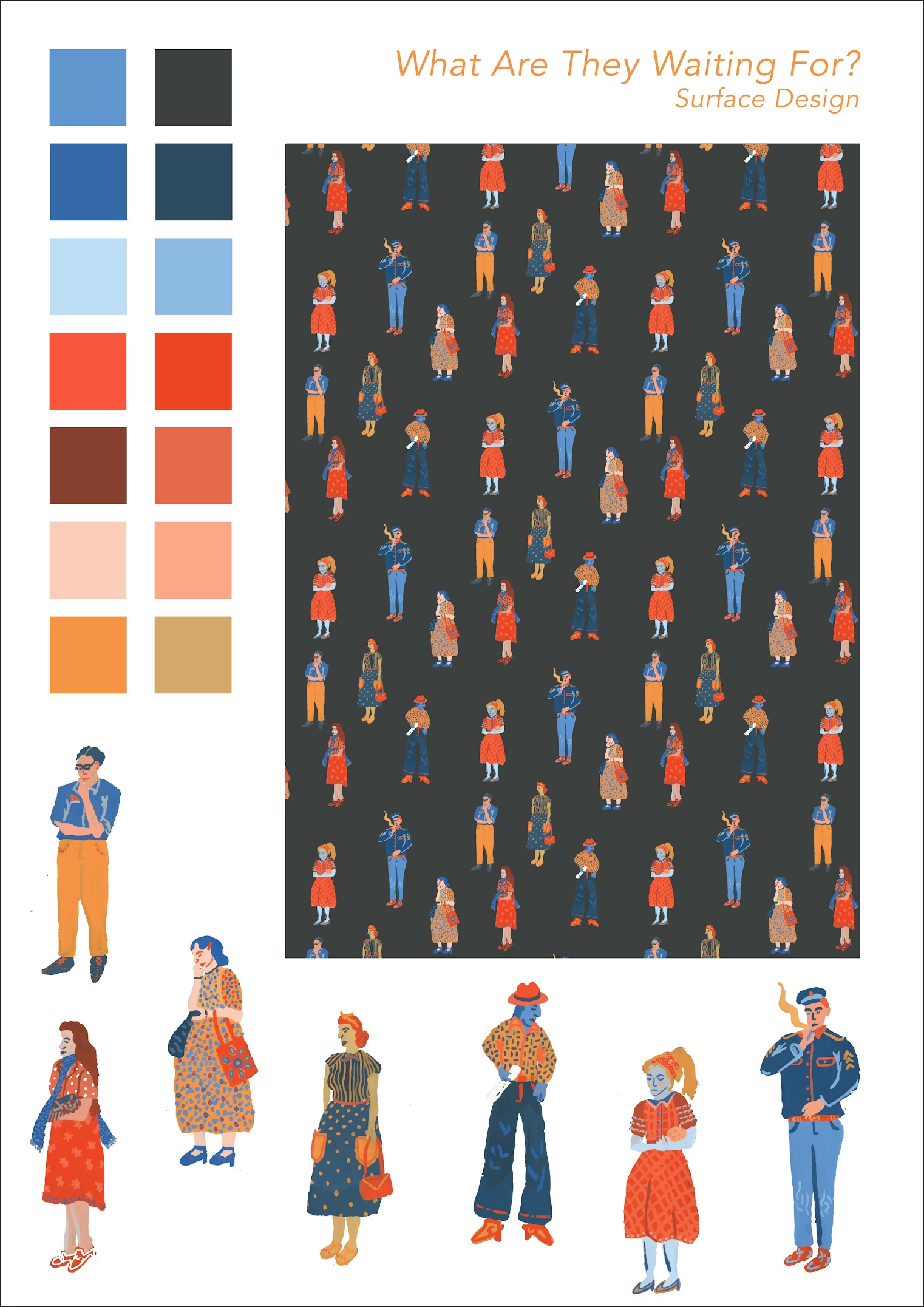
What Are They Waiting For?
Zoe Wenban, BA (Hons) Textile Design, Falmouth University
 

Illustration

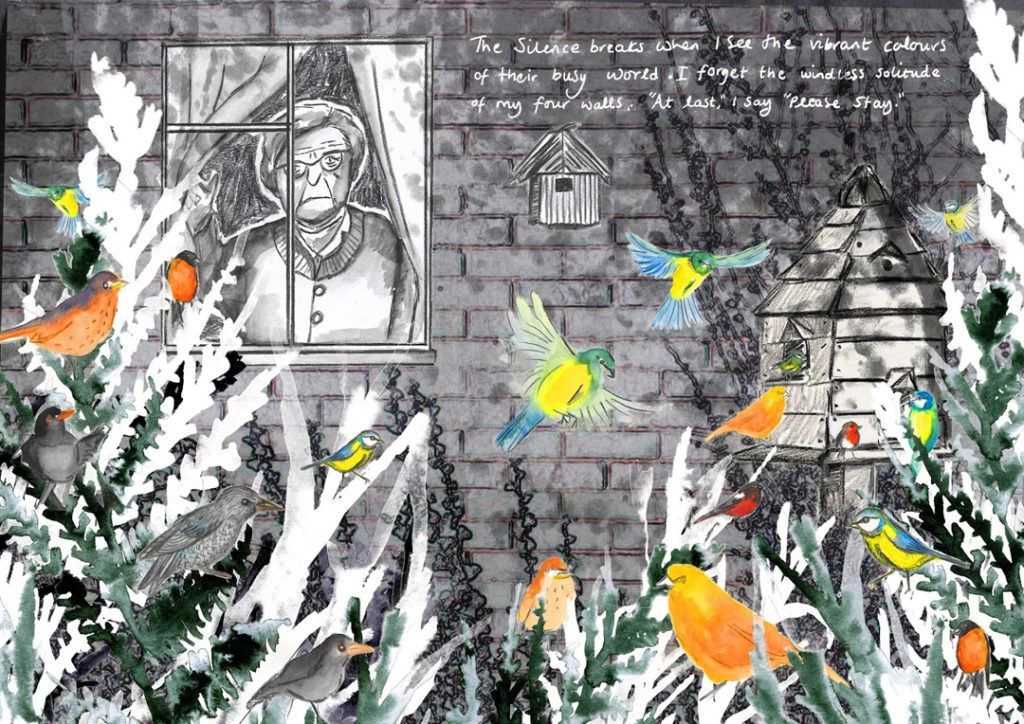
Craving Colour in Loneliness
Ginnie Bateman, BA Illustration, University of South Wales
 

Crushing
Sophie Burrows, MA Children’s Book Illustration, Cambridge School of Art, Anglia Ruskin University
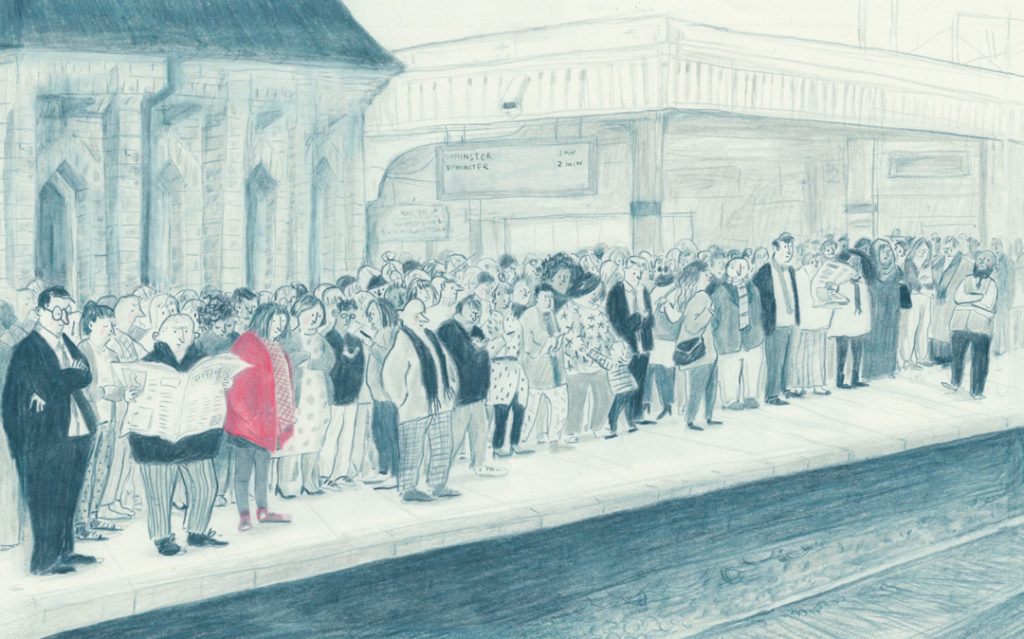
 

Craving Colour
Ruth Martin, Illustration, Duncan of Jordanstone College of Art and Design, University of Dundee
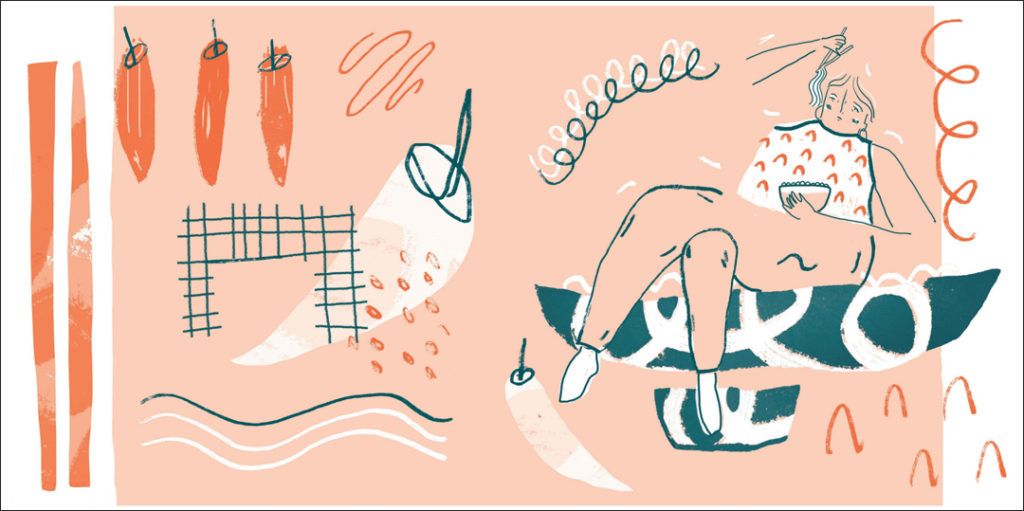
 

Music Celebration
Lauren Morsley, BDes Illustration, Duncan of Jordanstone College of Art and Design, University of Dundee
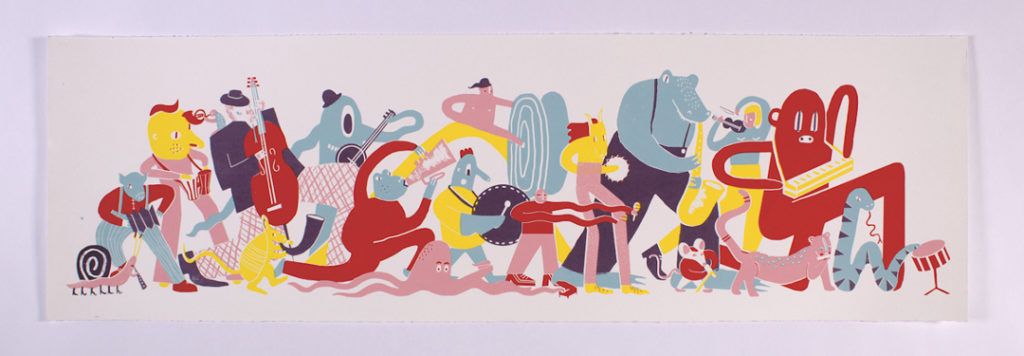
 

The Noot
Terri Po, Illustration, Edinburgh College of Art, University of Edinburgh
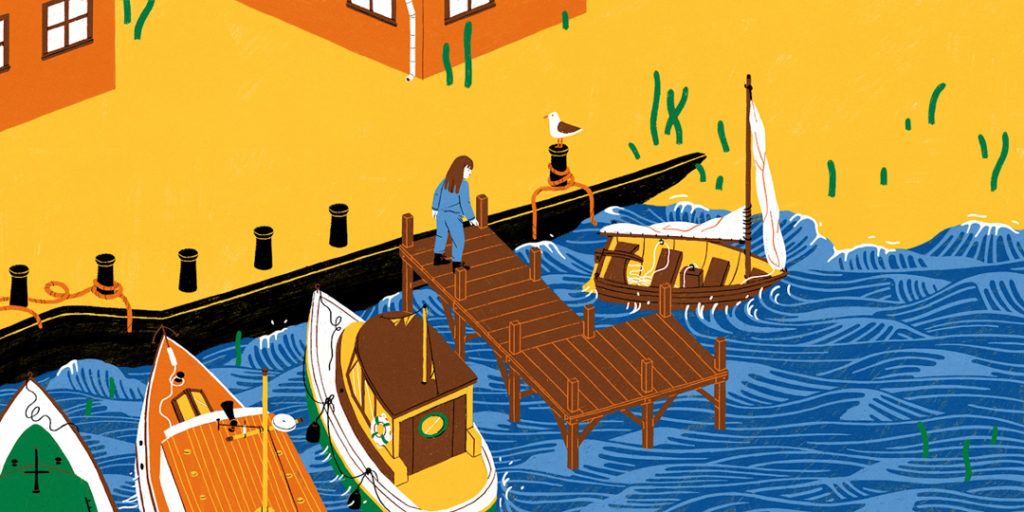
 

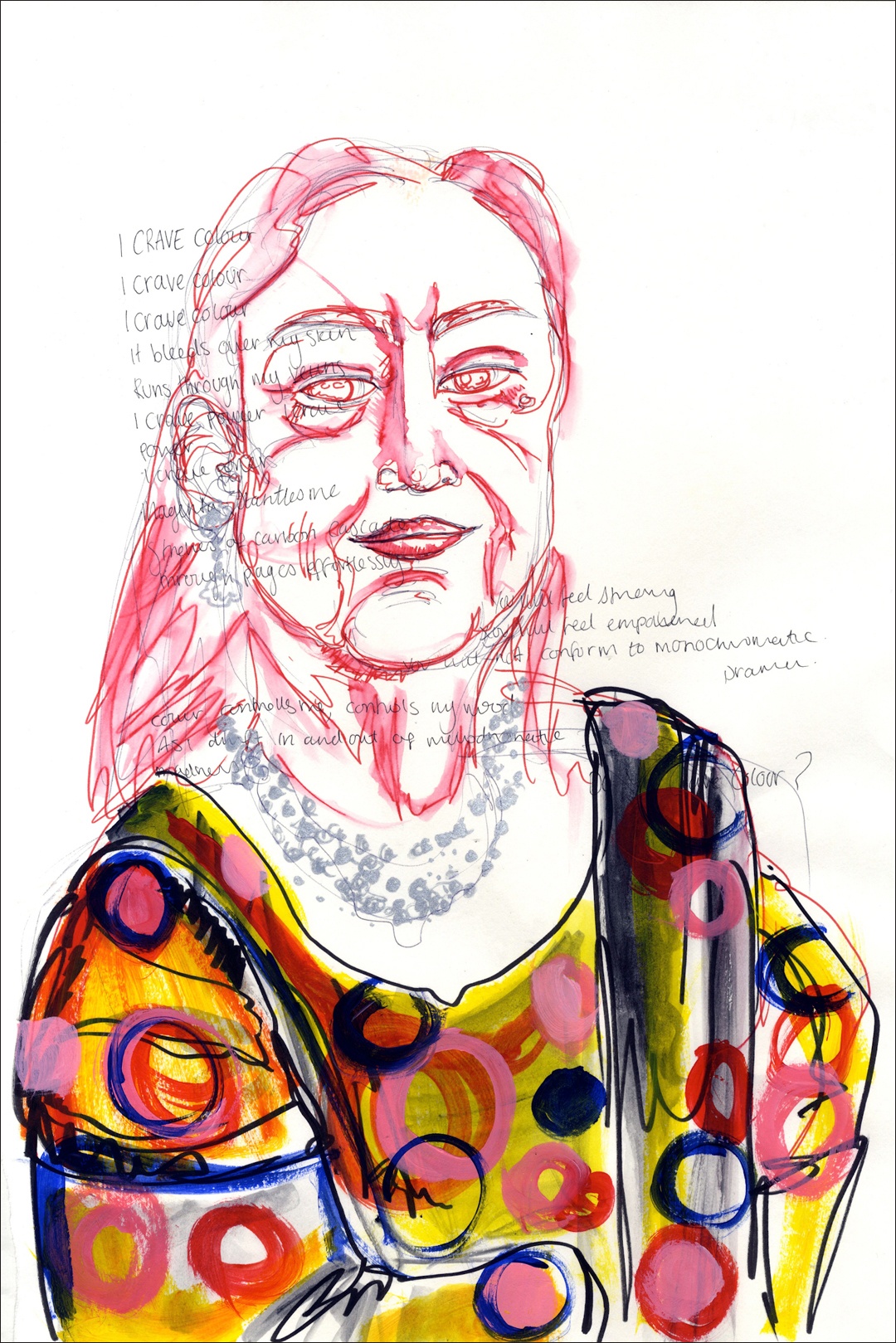
Craving Colour – Colour is Power
Maryam Saira Ashfaq, BA Fashion Level 4, Leeds Arts University
 

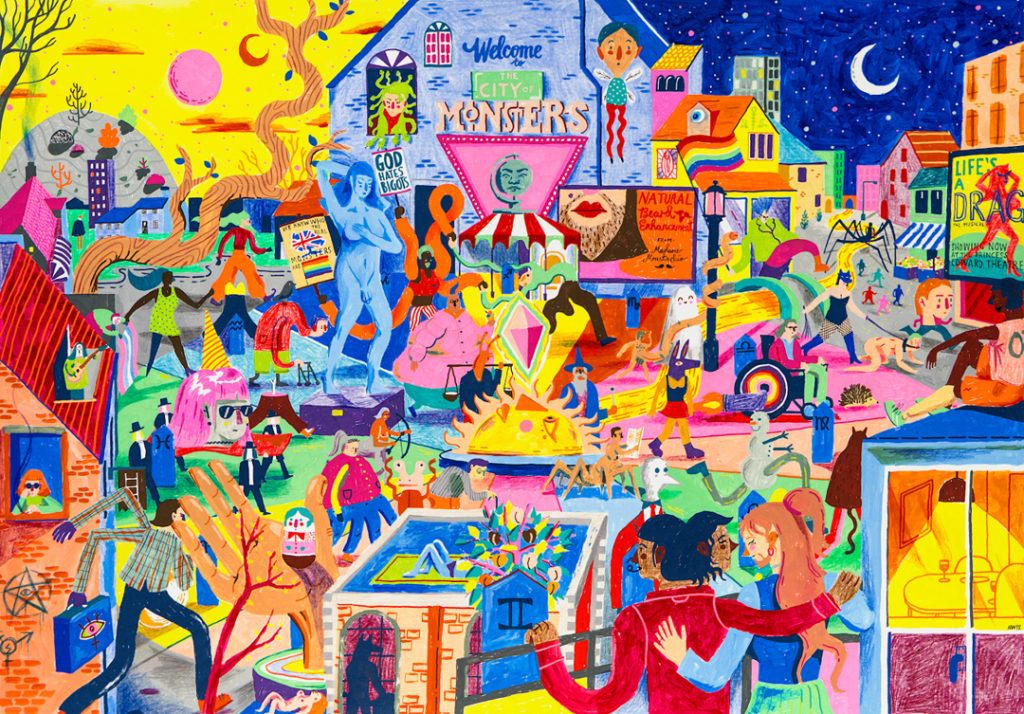
Invisible Cities
Harry Woodgate, BA Hons Illustration, University of Hertfordshire
 

Children’s Illustration, presented by Pavilion Children’s Books

My Lighthouse
Jo Berry, MA Children’s Book Illustration, Cambridge School of Art, Anglia Ruskin University
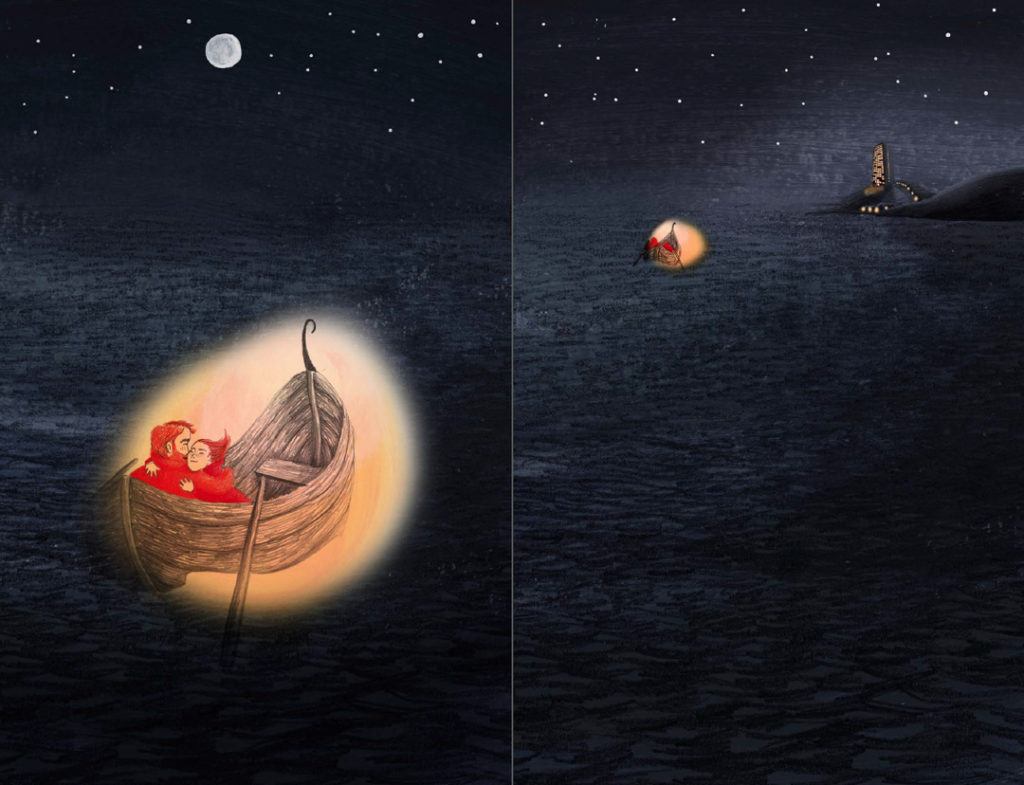
 

Ready…Steady…Go!
Harriet Hobday, MA Children’s Book Illustration, Cambridge School of Art, Anglia Ruskin University
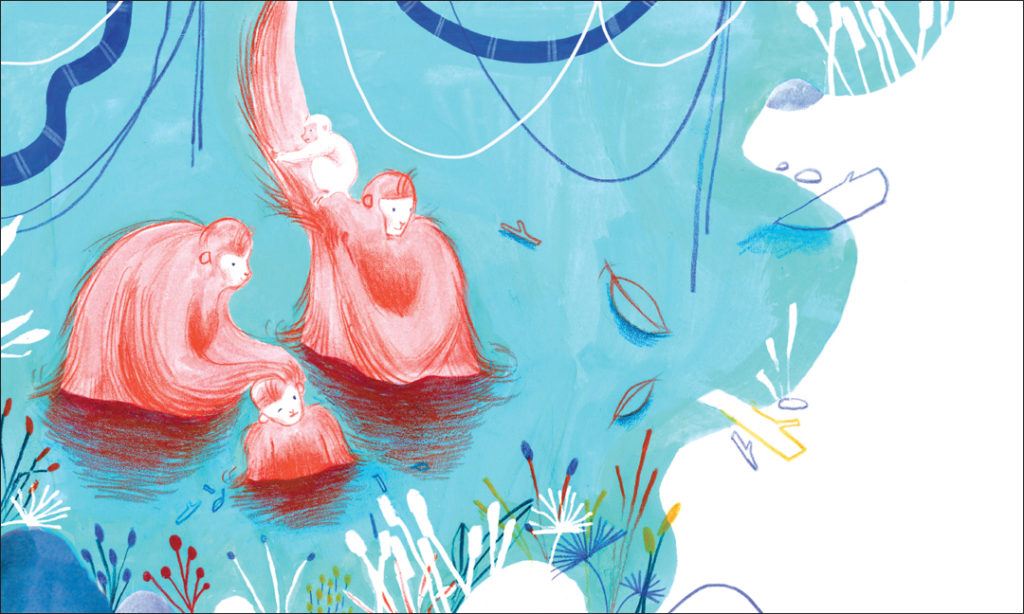
 

The Star in the Forest
Helen Kellock, MA Illustration, The Glasgow School of Art
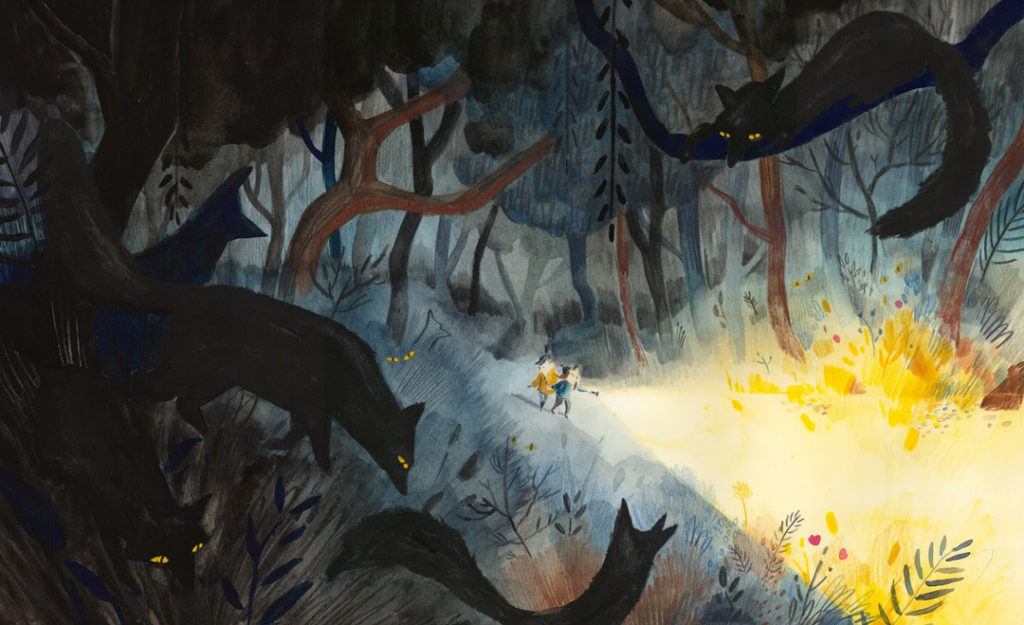
 

1 FOX
Kate Read, MA Children’s Book Illustration, Cambridge School of Art, Anglia Ruskin University
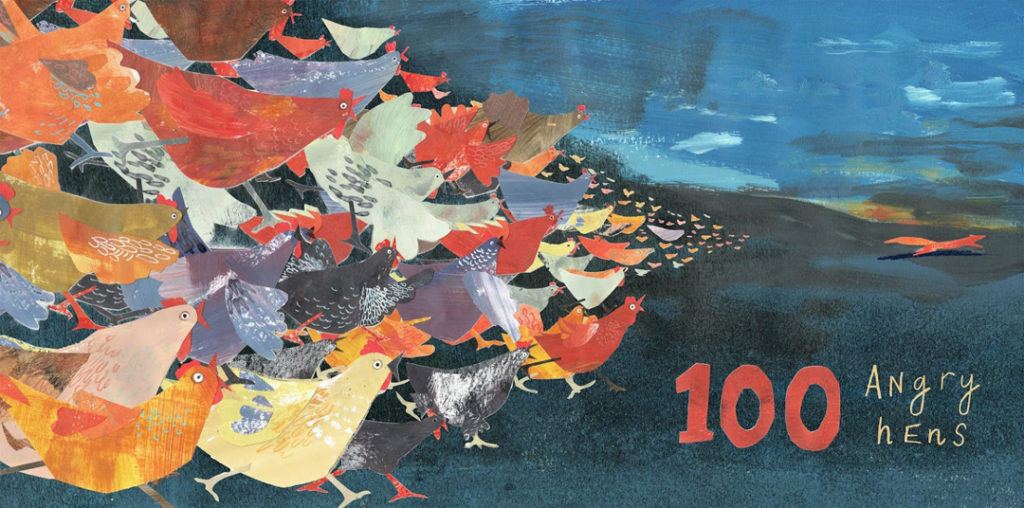
 

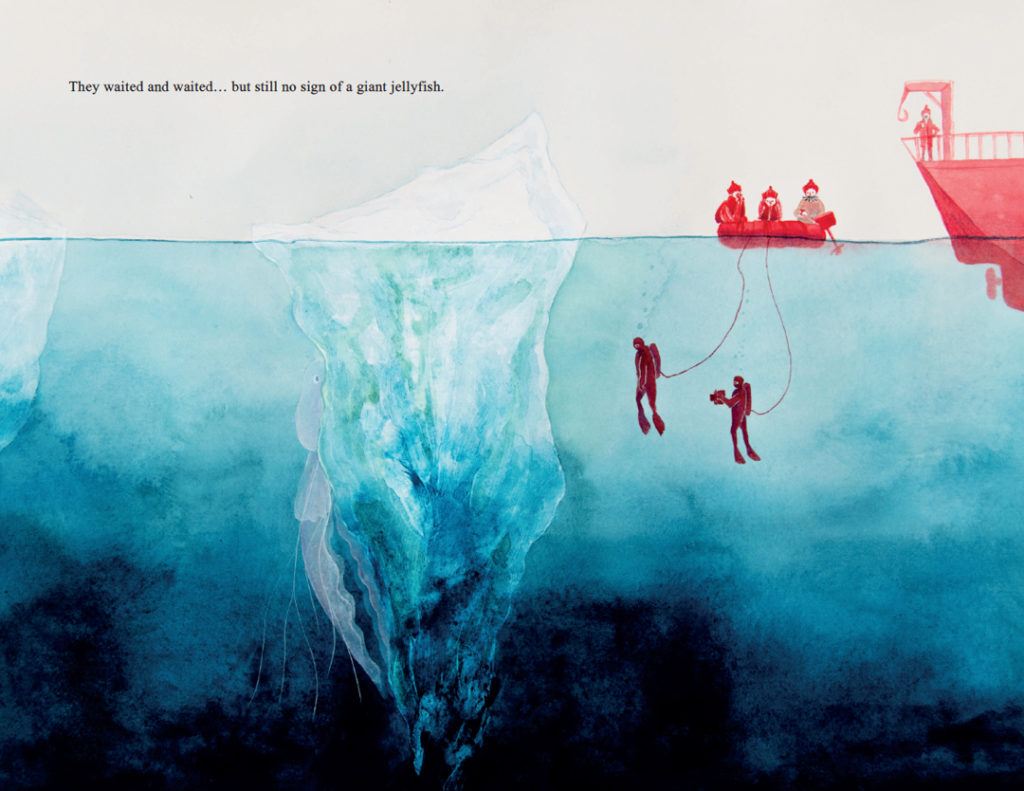
The Scientists and The Giant Arctic Jellyfish
Chloe Savage, MA Children’s Book Illustration, Cambridge School of Art, Anglia Ruskin University
 

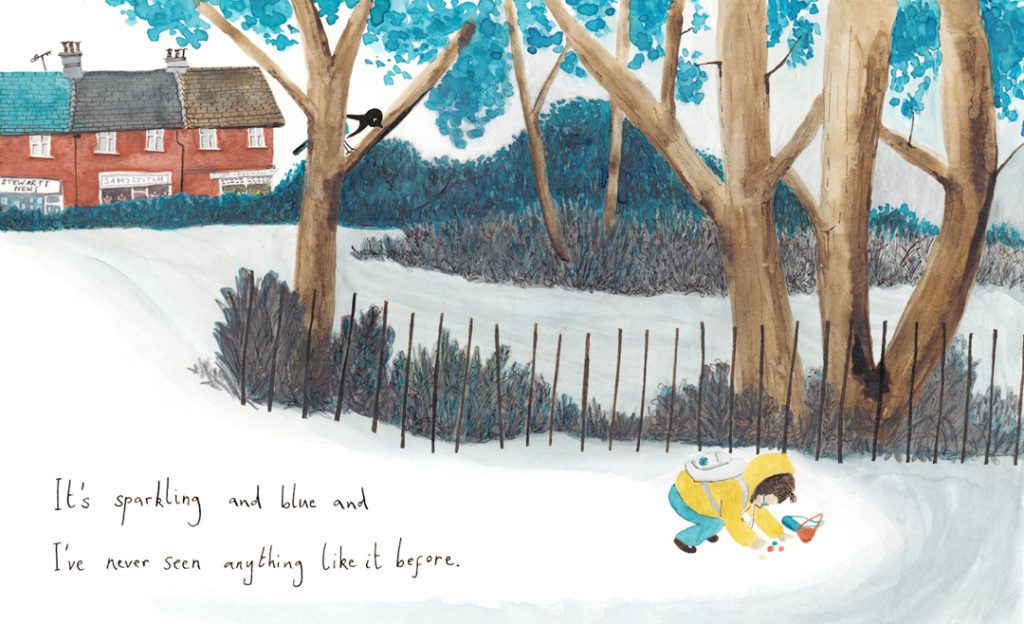
Untitled
Robyn Wilson-Owen, MA Children’s Book Illustration, Cambridge School of Art, Anglia Ruskin University
 

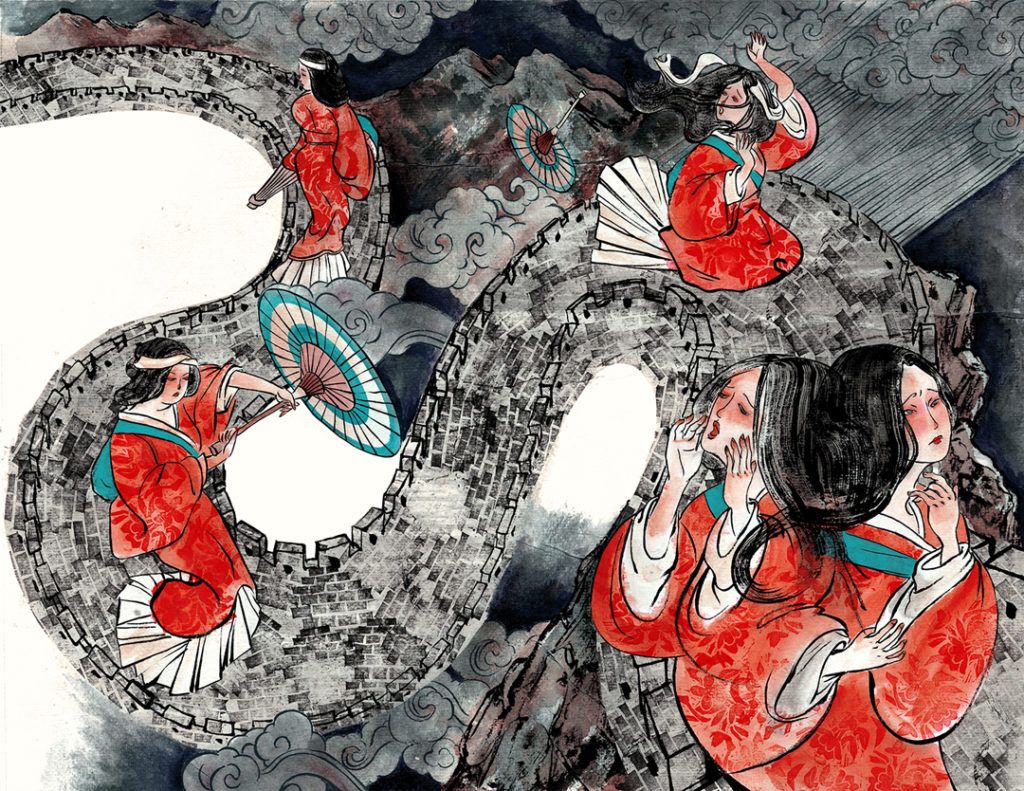
Miss Meng Jiang Weeping the Great Wall
Bo Yang, MA Children’s Book Illustration, Cambridge School of Art, Anglia Ruskin University
 

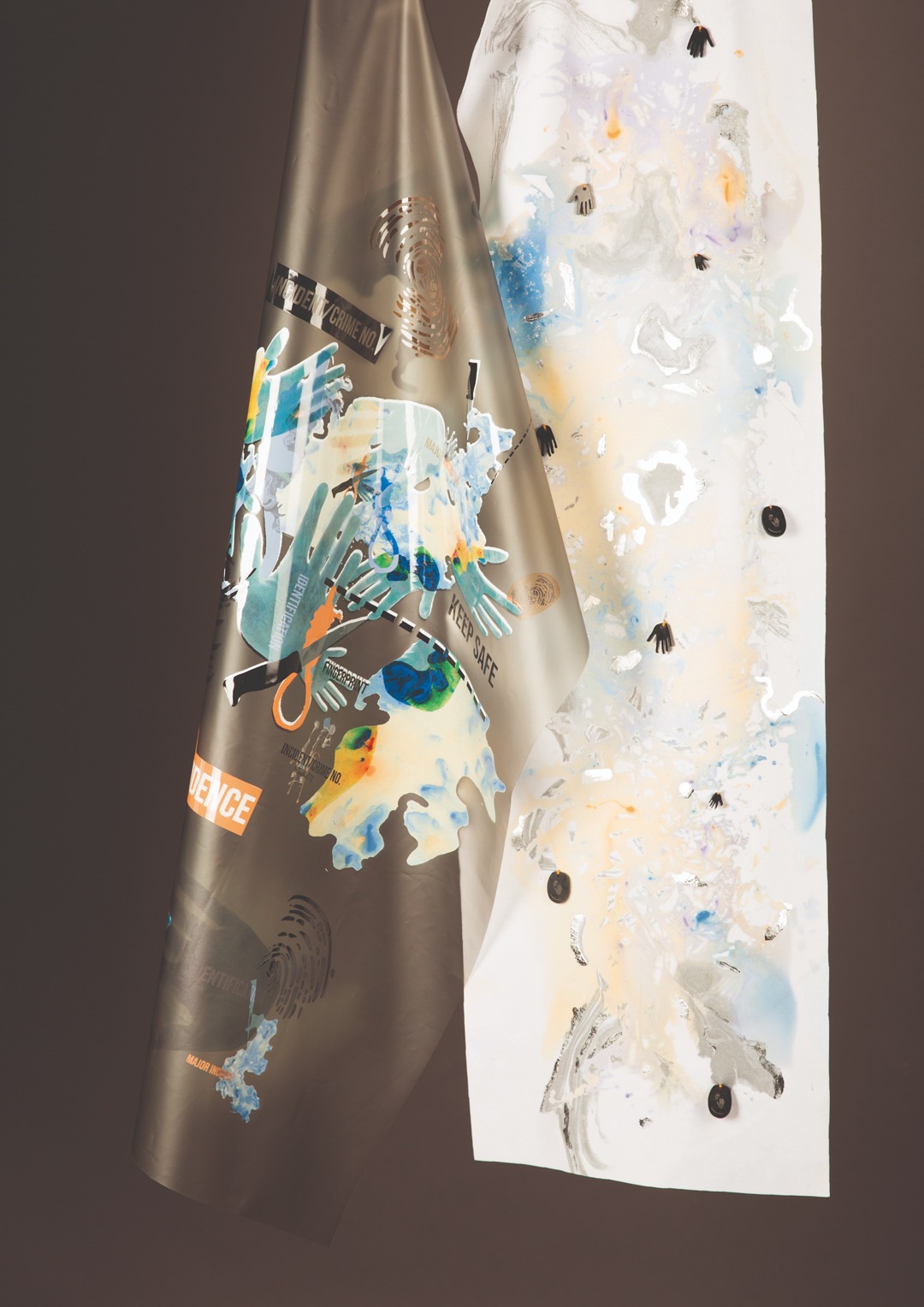
Fashion

Distorting DNA
Emma Astill, Textile Design, Arts University Bournemouth
 

Ode to Hamburg
Svea Beckedorf, BA Fashion Design Womenswear, Central Saint Martins, University of the Arts London
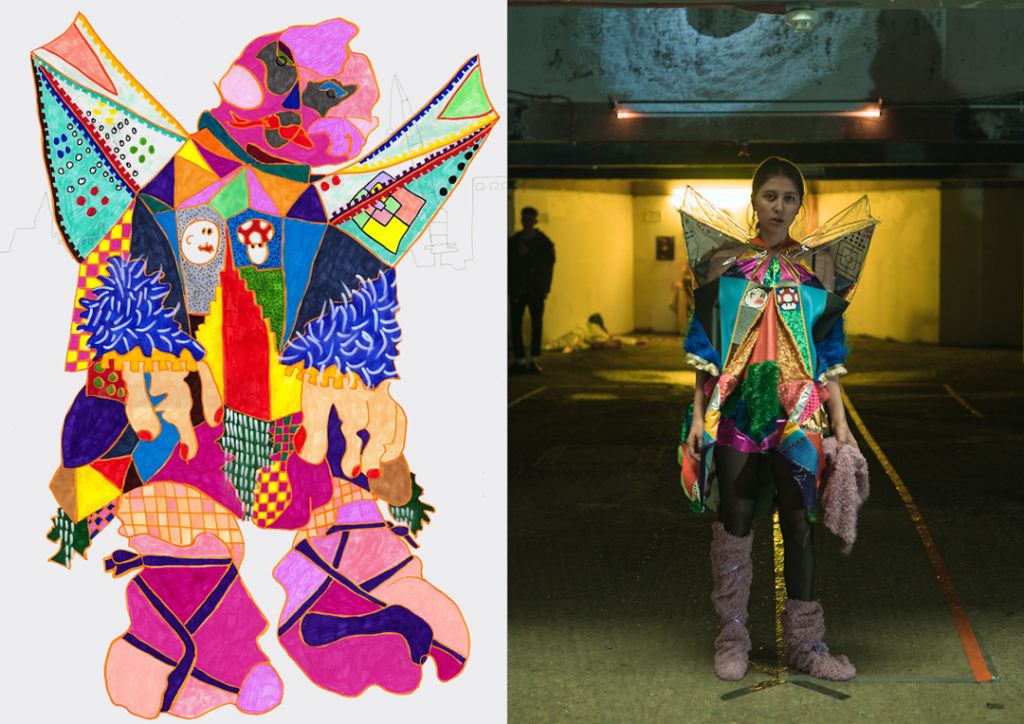
 

Slot Swosh Tear Pop Poke Squish
Rose Dutton, BA Fashion and Textiles, University of Portsmouth
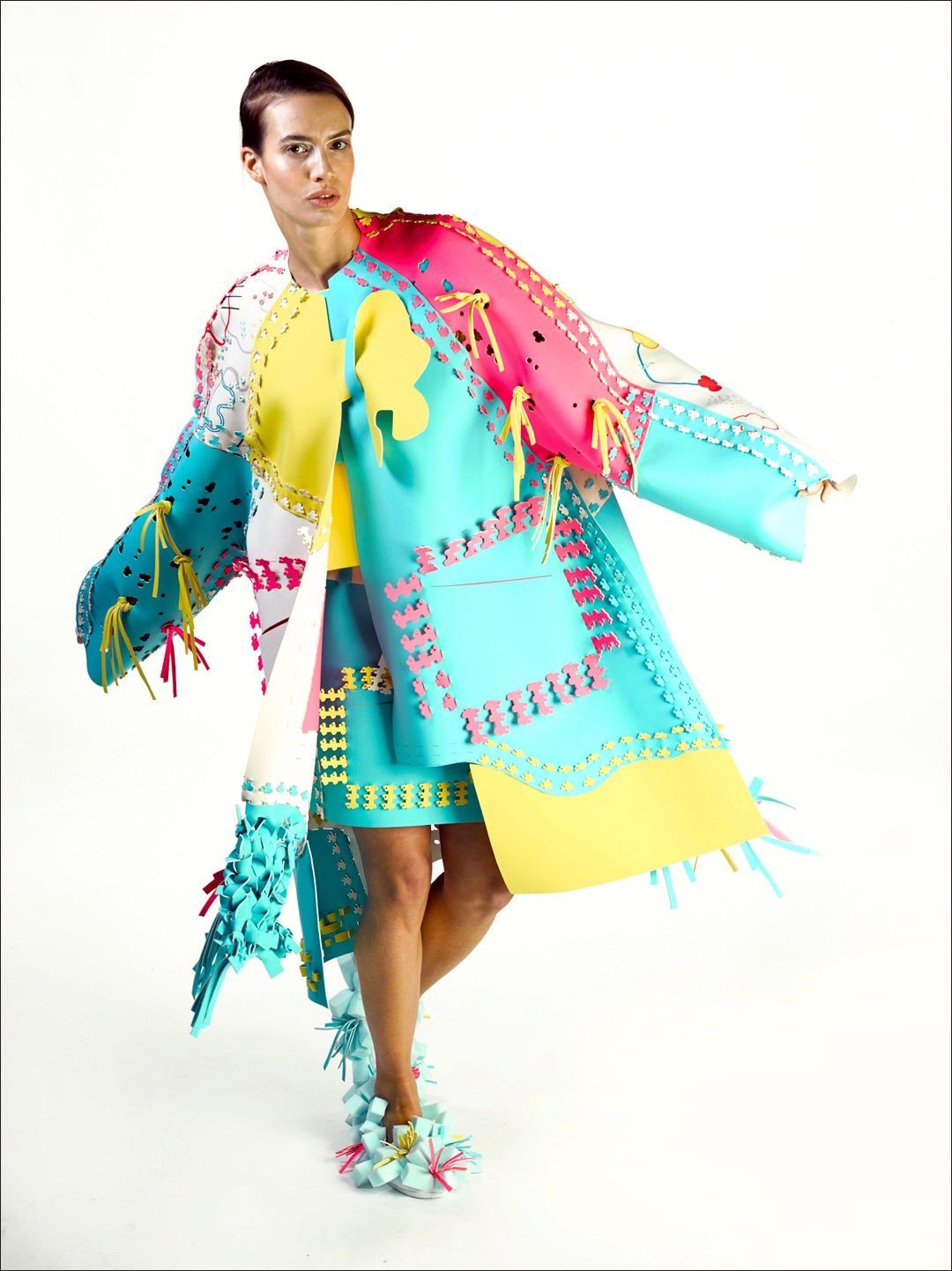
 

Frill Seeker
Poppy Howell, BA (Hons) Fashion, University of Lincoln
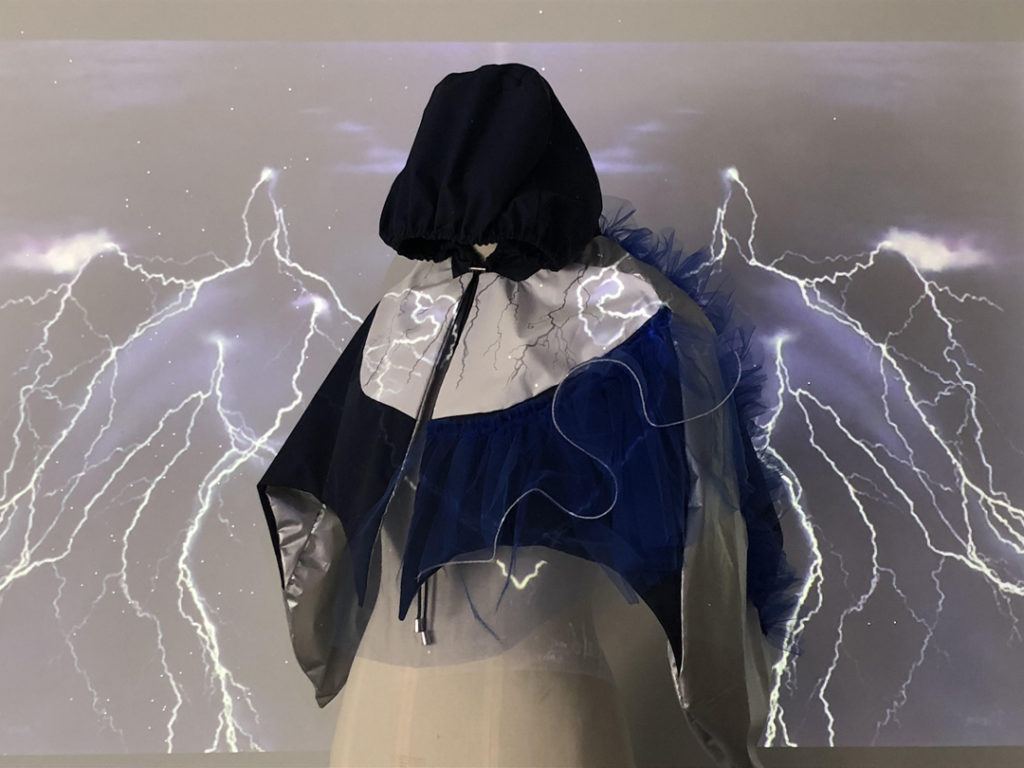
 

Kids Union
Evangelina Rodriguez, Fashion Design, London College of Fashion, University of the Arts London
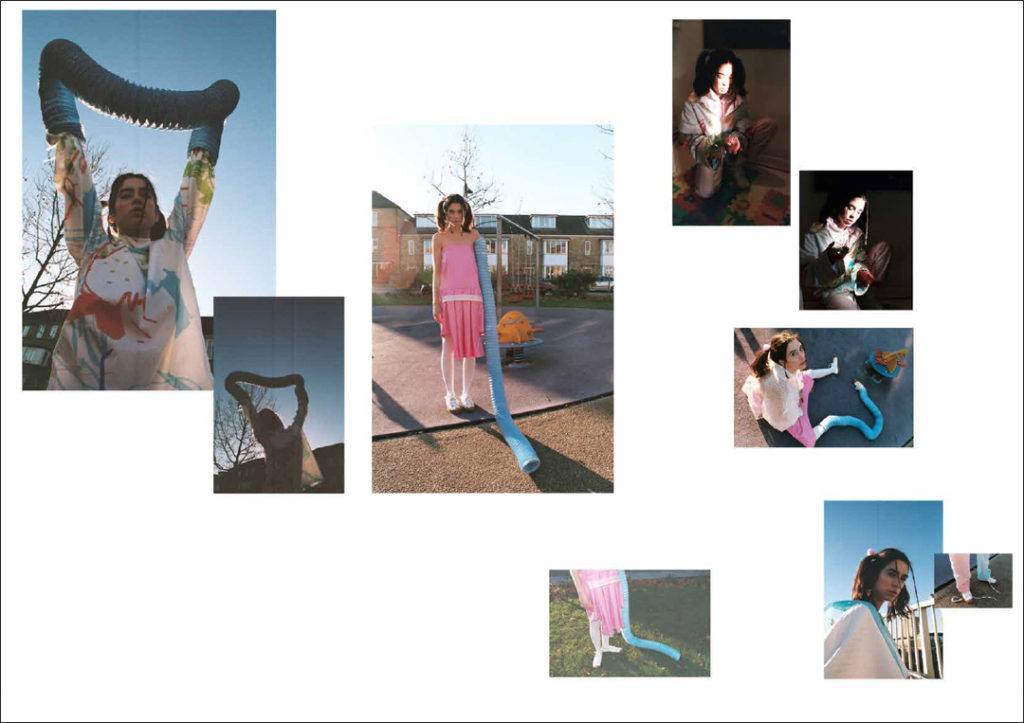
 

Think Deeper
Fathima Saheela, Textile Design – BA (Hons), London Metropolitan University
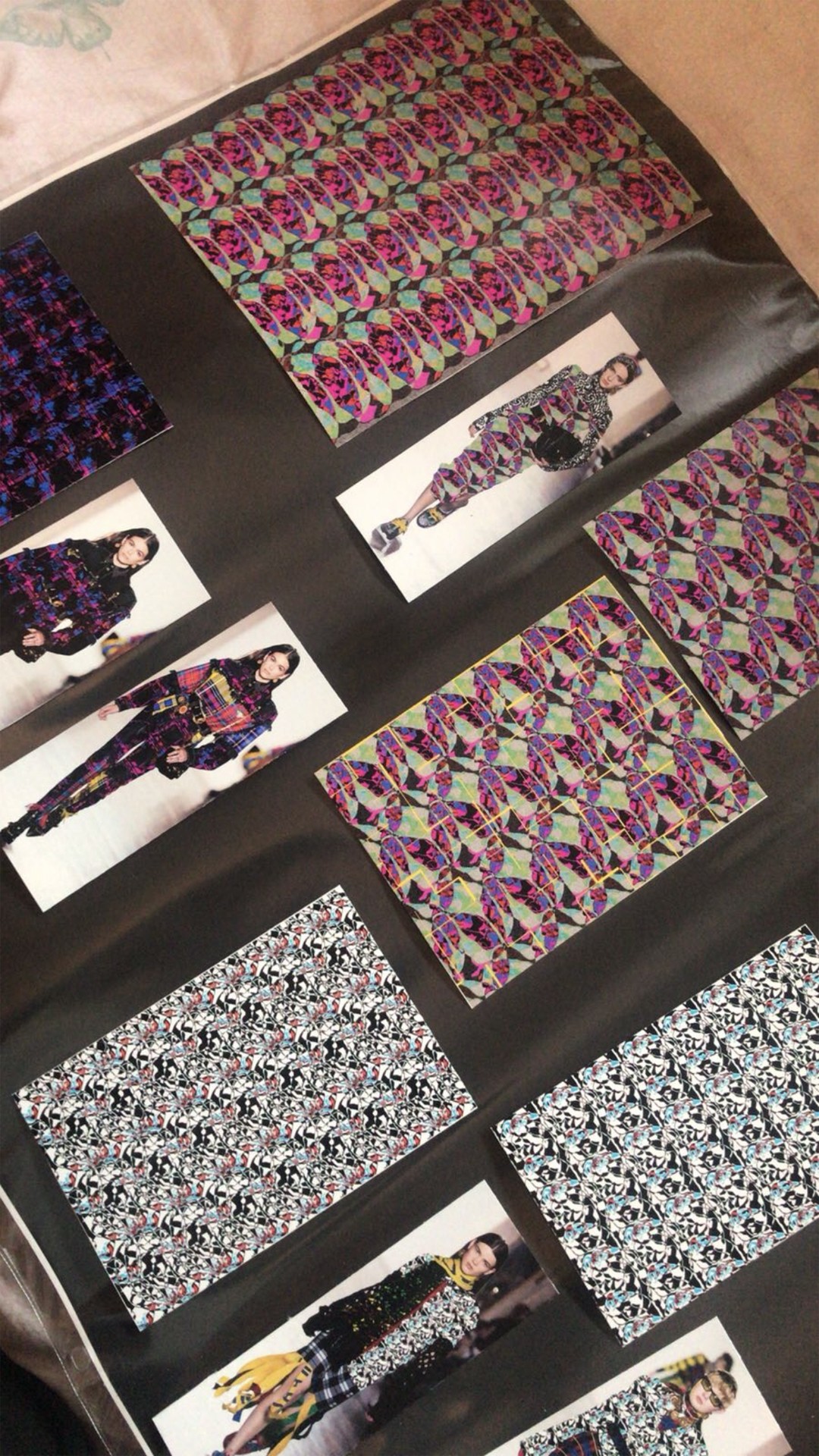
 

Silk Menagerie
Ely Yili Cao, BA (Hon) Jewellery Design, Central Saint Martins, University of the Arts London
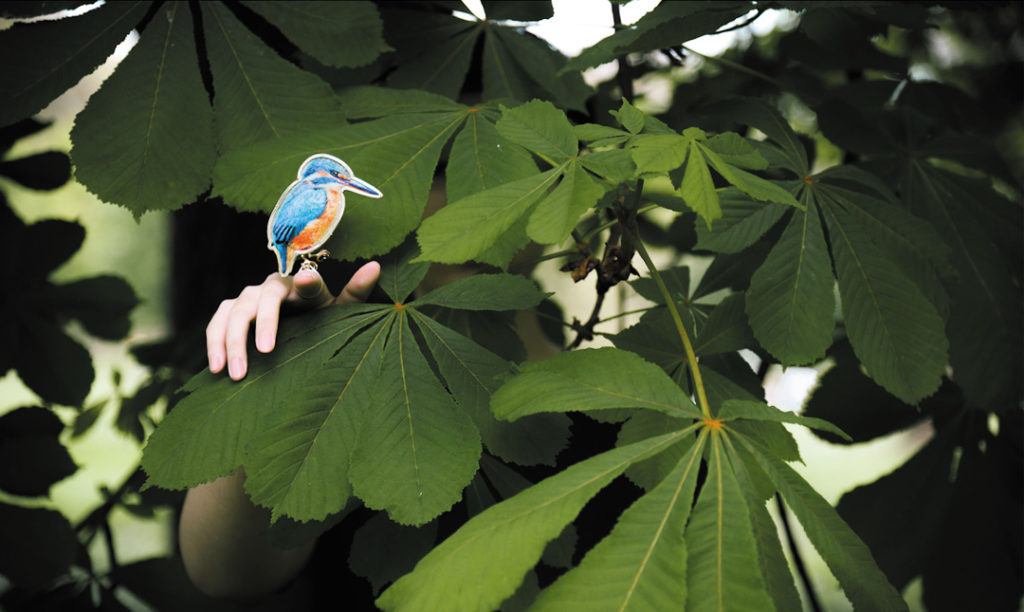
 

Meet the judges


Vaughan Grylls
Vaughan Grylls is a photographer, author and artist. His photography has been shown in the Photographers’ Gallery, Whitechapel Art Gallery and the Arnolfini. He is represented in several public collections, including the National Museum of Photography, Film and Television, the Contemporary Art Society, Pfizer, Unilever and the Arts Council of Wales. From 1996 to 2005 Grylls was Chief Executive of the Kent Institute of Art and Design. In 2005 he founded the University for the Creative Arts at Canterbury, Epsom, Farnham and Rochester, and serves as Emeritus Professor.


Anne Kelly
Anne Kelly is a textile artist and tutor. She trained in Canada and the UK and now teaches and speaks to guilds and groups. Her work is exhibited widely in solo and group exhibitions, including private collections in the UK and abroad, the Vatican Collection in Rome and at the Textile Museum of Canada in Toronto. She was recently artist-in-residence at Sussex Prairies Garden in West Sussex and exhibited at the international World of Threads Festival and the Prague Patchwork Meeting. She is the author of Textile Nature and Textile Folk Art.


Clara Vulliamy
Clara Vulliamy started off her artistic career studying at Chelsea School of Art, The Ruskin in Oxford, and The Royal Academy. She has illustrated over 35 children’s books and has been published by HarperCollins, Orchard Books, Random House, Walker Books, Egmont and Kingfisher. She is the daughter of author and illustrator Shirley Hughes, with whom she created the Dixie O’Day series. Her most recent book is Picking Pickle, with text by Polly Faber.


Sara Mullvanny
Sara Mullvanny is a freelance illustrator who works with a wide range of clients creating book covers, editorial and commercial illustrations.


Gemma A. Williams
Gemma A. Williams is a fashion curator and writer living in London and holds an MA in Fashion Curation from London College of Fashion. She has worked for prestigious museums internationally including the Modemusuem, Antwerp (MoMu), and The Costume Institute at the Metropolitan Museum on Alexander McQueen’s Savage Beauty exhibition. She has programmed and co-curated the academic programme of events and exhibitions at London College of Fashion’s flagship gallery Fashion Space Gallery.


Neil Dunnifcliffe
Neil Dunnicliffe is the Publisher of Pavilion Children’s Books.


Tina Persaud
Tina Persaud is the Publishing Director of Batsford.


2018 marks the 175th anniversary of Batsford, publisher of books on art, textiles, design and heritage, and today an imprint of Pavilion Books. To celebrate, we will post 175 images from the Batsford archive on Batsford’s social media feeds throughout the year.

The story of Batsford began when Bradley Thomas Batsford opened the doors to his bookshop on High Holborn, London in 1843. In the years and decades that followed, Bradley Thomas together with his three sons built up a reputation for B. T. Batsford as a specialist bookseller, and later publisher of books on science and the arts.

The premises at 94 High Holborn, where the business moved to in 1893, a little further up the road from the original shop. From ‘A Batsford Century’, Batsford 1943.

Throughout the years, Batsford has published thousands of books and it would be an impossible task for us to give them all the recognition they deserve in our anniversary project. But one series of books that is synonymous with Batsford’s publishing history is the Batsford Heritage Series, which was first launched in the 1930s. These vintage book-collector favourites still capture the imagination of the reader today, with their rural Britain subject matter and vivid book jackets illustrated by Brian Cook, the great grandson of Bradley Thomas Batsford.

Expect to see some of Brian Cook’s colourful creations as we go on our journey to celebrate 175 years of Batsford, alongside other vintage gems, antique treasures and some more recent favourites.

We’ll be posting a few Batsford 175 images a week on Instagram and Twitter, with less frequent roundups to follow on FacebookWe also invite you to post images of your own Batsford favourites, whether they’re from this year, a decade ago, or 100 years ago. Simply tag your picture with #Batsford175 to join in. We’ll pick one post a month to award with a prize, consisting of a set of Brian Cook notecards and notebook.

a batsford century

First up in our showcase is A Batsford Century, edited by Hector Bolitho, which was published to coincide with the company’s centenary in 1943. Make sure to follow us on @BatsfordBooks to stay up to date on our anniversary journey throughout the year!

The Batsford Team


Top image: The village of Kersey in Suffolk by Brian Cook. This appeared on the first book jacket designed by Brian Cook, for The Villages of England by A.K. Wickham, published 1932. As featured in Brian Cook’s Landscapes of Britain – a collection of Brian Cook’s illustrations from the 1930s, 1940s and 1950s.

October has arrived and Halloween is just around the corner. Get into the Halloween spirit with this free Millie Marotta colouring download.

This flying fox colouring sheet from Millie Marotta’s Beautiful Birds and Treetop Treasures is the perfect activity for a Halloween party. Coloured in it makes a great gift to hand out at trick or treat rounds in return for sweets. Or how about decorating your home with a garland made out of bats in your own choice of colours?

Bats might be one of our favourite Halloween symbols, being suitably creepy for their nocturnal habits and, in the case of some blood-feeding species, their association with vampires. But in the wild, many species of flying foxes are threatened with extinction.

Flying foxes, also known as fruit bats, live in tropic and subtropic climates and feed on fruit, nectar and pollen.

Millie Marotta's Beautiful Birds and Treetop Treasures

This download is extracted from Millie Marotta’s Beautiful Birds and Treetop Treasures, where you will find more tree-dwelling creatures and birds to colour in.

Textile artist and author Cas Holmes reviews Interpreting Themes in Textile Art, the new book by Cherilyn Martin and Els Van Baarle, which explores the varied ways of interpreting ideas in cloth.

By Cas Holmes

I have known the works of Else van Baarle and Cherilyn Martin for over 30 years since I first worked with them at a textile event near Munich so it is with delight I review their book Interpreting Themes in Textile Art. They co-exhibit and develop projects along various themes which encourages engagement and discourse in their practice yet at the same time strengthens their approach and inimitable styles in their work as part of a ‘creative dialogue’.

This insight into their practice is shared with the reader as a means to develop ideas and techniques. Throughout the book they reveal how the same topics centred around a variety of subjects from the memory of time and ancient culture to the marks left by man on stone can be explored through different media from dyes and paint to collage and mixed media.

walls inspired textile art

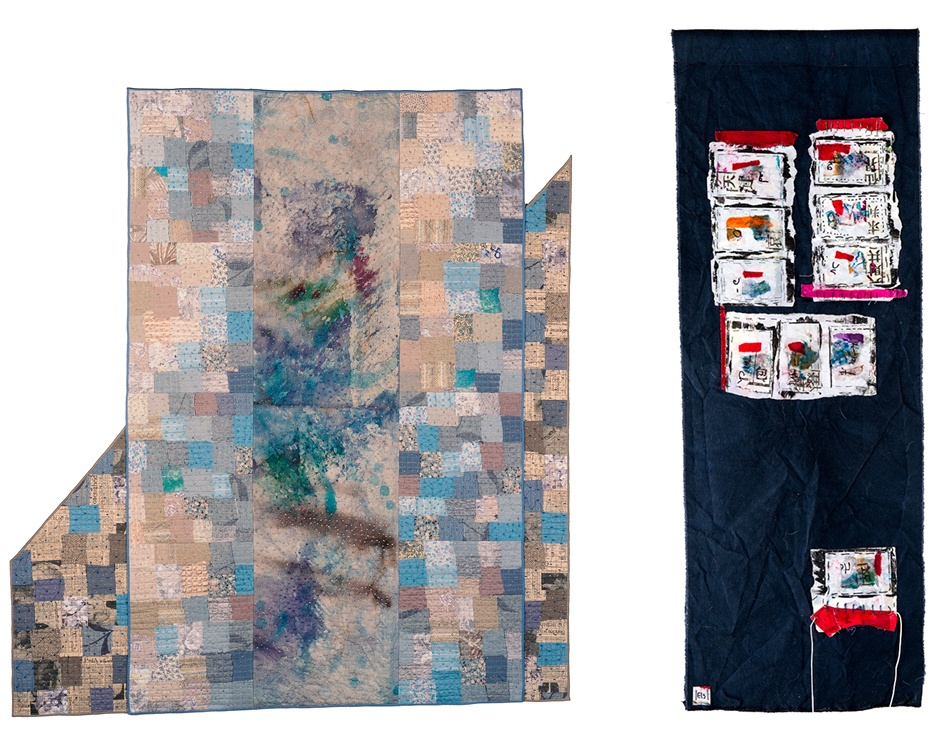
Walls as inspiration: Walls #4 by Cherilyn Martin. Batik silk, mixed fabrics and paper, machine quilting and embroidery. Chinese Memory #4 by Els Van Baarle. Paper, wax and fabric. Above: A piece from the series Letters from a Friend by Els Van Baarle.


Foundations are laid from the first chapter where creative process is discussed as part of an individual vision. Exemplified by approaches you can take in choosing themes it encourages you to map your ideas and look at compositional and colour choices which can help develop your ‘voice’.

This is followed by clearly laid out chapters centring around the core themes of the book. Chapters 2–4 takes you from the inspiration to be drawn from the surfaces of gravestones and walls to the ancient echoes found in the architecture and objects of Pompeii.

Memory, story and a connection to objects are the themes discussed in chapters 5–7 from textural memories to be found in cloth, the books we hold in our hands to the articles of daily use.

Throughout, this imaginative and compelling book is exemplified by projects and the artists’ work from wax resist dyeing, encaustic collage to surface rubbings and transfers from which you can develop your ideas and processes.

In her foreword artist and writer Marie-Therese Wisniowski states that ‘The techniques they (the artists) have mastered and the concepts they have explored will linger beyond their generation’.

There can be no higher recommendation.

interpreting themes in textile art

Interpreting Themes in Textile Art (Batsford) by Els Van Baarle and Cherilyn Martin is out now.

Explore more work by Els Van Baarle, Cherilyn Martin and Cas Holmes:

Els Van Baarle
Cherilyn Martin
Cas Holmes

In her latest book, Millie Marotta’s Beautiful Birds and Treetop Treasures, Millie explores an array of beautiful birds and intriguing creatures found among the world’s glorious treetops. From sugar gliders and veiled chameleons to zebra finches and magnolia warblers. And this trio of rufous-backed kingfishers that you can get colouring straight away by downloading the free colouring sheet below.

0
    0
    Your Basket
    Your basket is emptyReturn to Shop